
IDF Rabbi Who Identified War Dead Suffers PTSD, Advocates for Religious Soldiers
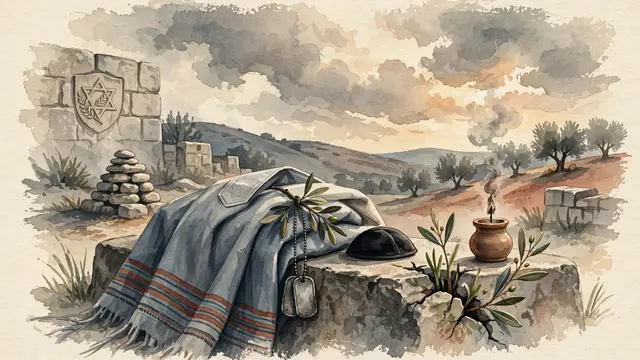
Rabbi Menachem Perl, former head of the IDF's Halakha (Jewish Law) branch and current head of the Tzomet Institute, has revealed the severe psychological toll he endured after months spent identifying bodies of soldiers and civilians killed during the "Swords of Iron" war. He is now calling for the establishment of specialized rehabilitation frameworks for religious soldiers dealing with post-traumatic stress disorder (PTSD).
Perl volunteered for reserve duty on October 7th and was assigned to the Shura military camp, where he was tasked with identifying casualties from the Hamas massacre and subsequent fighting. For months, he participated in the identification processes and prepared the deceased for burial. This sacred duty, however, left him with deep emotional scars due to the constant exposure to horrific scenes and the grief of families searching for information about their loved ones.
After approximately two months, Perl realized he could no longer cope alone and sought help from mental health officers. A particularly shattering moment occurred when he had to identify the son of an employee at the Tzomet Institute, an event that led him to request release from his duties. Even after completing his reserve service, his personal battle intensified. He began psychological treatment and experienced escalating symptoms, including anxiety attacks, nightmares, and severe reactions to triggers.
Perl eventually underwent psychiatric treatment, including hospitalization and participation in a rehabilitation farm, and now uses a service dog. He candidly admitted, "I never thought I would go to a psychiatrist. What, am I crazy? But I understand today that it definitely helps." He noted that even now, a photograph, a scent, or a news story can resurface traumatic memories.
Motivated by his personal suffering, Rabbi Perl has channeled his experience into advocating for a new cause. He is now involved with the "HaBayit" (The Home) organization, which aims to create a dedicated rehabilitation facility for religious soldiers suffering from PTSD. He argues that existing frameworks are often unsuitable for their religious lifestyle, emphasizing the need for separation, a Torah-observant environment, and a sensitive approach to their values as crucial for successful recovery. The article also features the story of "Arie," a 31-year-old from Bnei Brak who also struggled to reintegrate into civilian life after serving in casualty identification.
The same event, reported separately by each outlet. Open a few to compare what different newsrooms emphasize — and what they leave out.

Not the same event — other stories that share this one’s people, places, or theme: background, reactions, and follow-ups.
