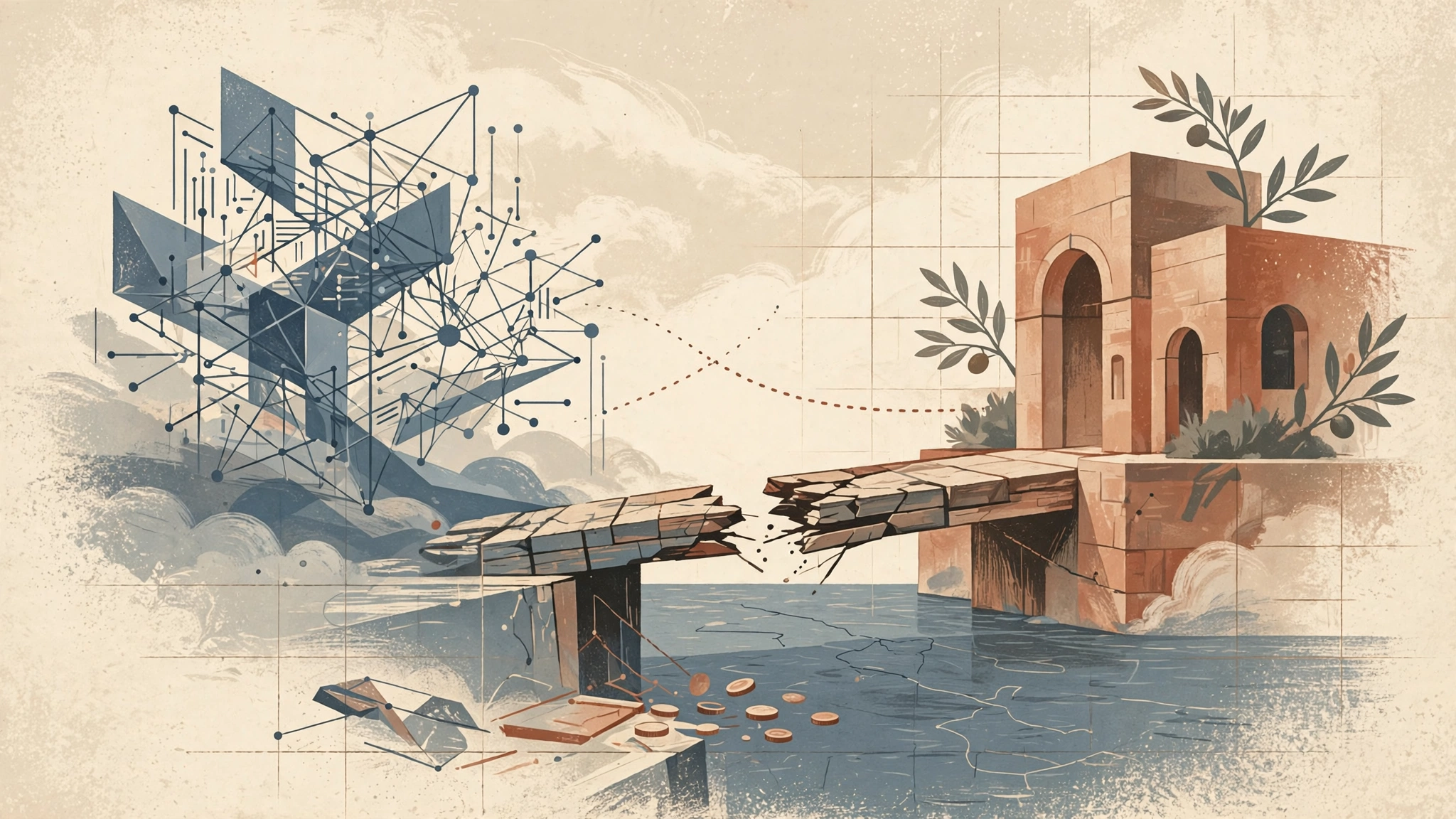
Anthropic Abandons $6 Billion Deal to Acquire Israeli AI Firm Descartes

Artificial intelligence company Anthropic has reportedly withdrawn from its planned acquisition of Israeli firm Descartes, according to a Bloomberg report. The deal, which was expected to be worth around $6 billion, collapsed after weeks of negotiations. Despite the failed acquisition, the two companies may still collaborate in other capacities, such as Anthropic becoming a customer or investor in Descartes.
This development represents a significant setback for Descartes, founded by entrepreneurs Dean Leitersdorf and Moshe Shilo. The company had previously rejected a higher offer from Nvidia before agreeing to Anthropic's proposal, which was structured in stock with the expectation of an upcoming AI company IPO. Descartes has raised $450 million from investors including Nvidia, Sequoia Capital, Benchmark, Radical Ventures, and Zeev Ventures, who will now need to seek new buyers alongside the company.
Descartes was valued at approximately $4 billion in a private funding round led by Nvidia in May. The failed acquisition is seen as a blow to Israel's AI industry, as Anthropic, a rapidly growing AI firm and a strong IPO candidate, could have expanded its research and development operations in Israel through this deal. However, Anthropic still plans to increase its marketing and sales activities in the Israeli market, focusing on startups and established software companies.
Anthropic is reportedly preparing for its own IPO in the coming weeks, with an estimated valuation of $2 trillion. The report highlighted the unilateral nature of Anthropic's withdrawal, which is considered a moral blow to Descartes. Market observers suggest that even though Nvidia had offered more, it may be difficult for Leitersdorf and Shilo to secure a similar deal now. Nvidia recently completed its $12.9 billion acquisition of Hugging Face and is unlikely to pursue another acquisition of the magnitude Descartes' founders and investors had hoped for.
The same event, reported separately by each outlet. Open a few to compare what different newsrooms emphasize — and what they leave out.














Not the same event — other stories that share this one’s people, places, or theme: background, reactions, and follow-ups.