US Weighs Full Strike on Iran Amid Shadow War and Regional Tensions

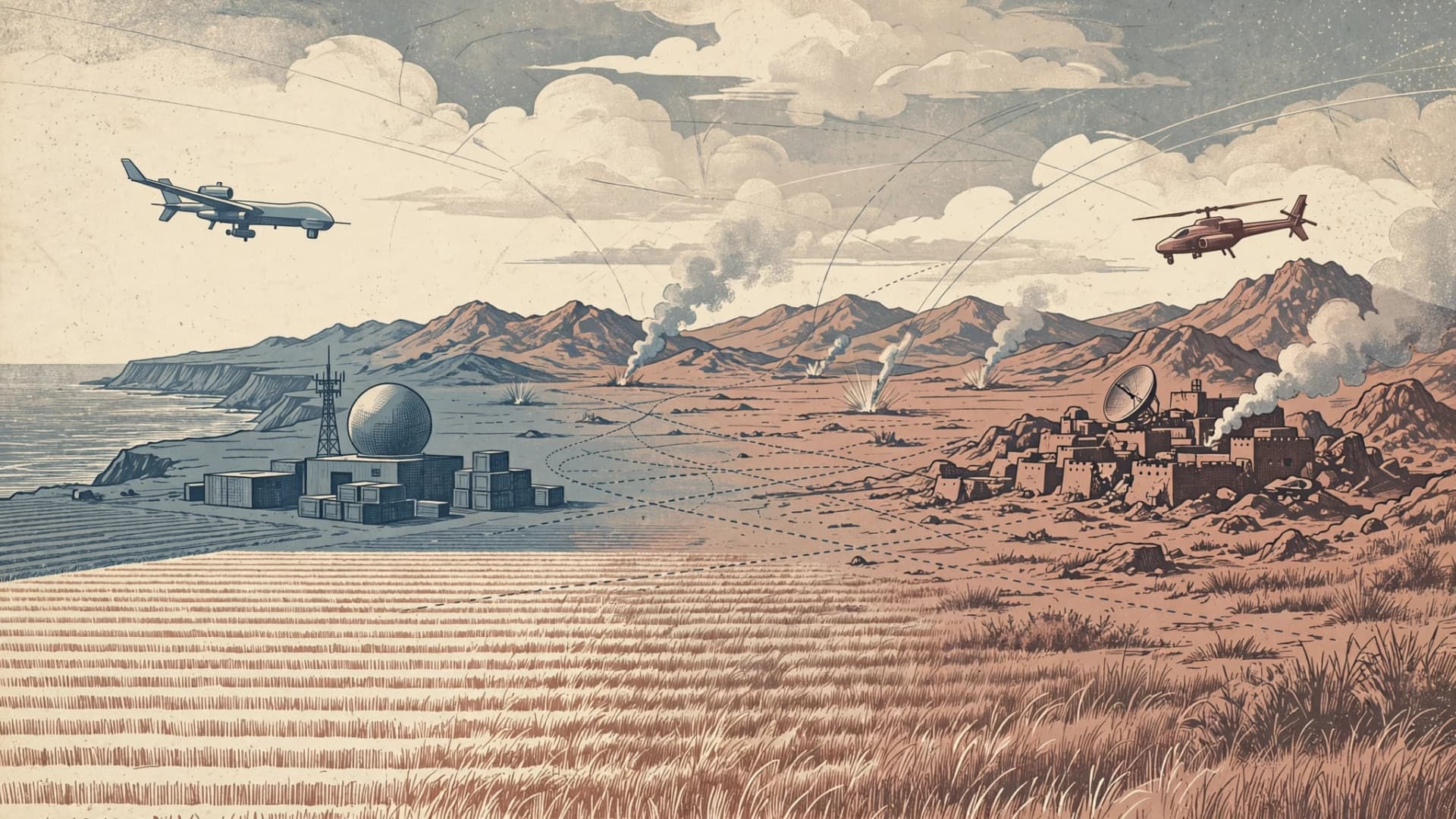
A comprehensive analysis reveals a deepening shadow war between the United States and Iran, marked by escalating missile and drone attacks targeting U.S. assets in the Persian Gulf and its regional allies. Iran is striking bases in Kuwait, Bahrain, and Jordan, demonstrating that U.S. presence no longer guarantees deterrence. In response, the U.S. is employing a "grass-mowing" strategy, conducting targeted strikes against Iranian missile launchers, drone concentrations, and attempts to lay naval mines in the Strait of Hormuz, aiming to systematically degrade Iran's capabilities rather than seek immediate regime change.
This strategy, while costly, avoids a wider regional conflict. Iran, however, retaliates by targeting U.S. allies' interests, sending a clear message that any U.S. strike will be met with immediate reprisal. Iran views smaller Gulf states like Kuwait and Bahrain as vulnerable targets to exert pressure. Despite significant blows, Iran persists in its resistance, indicating Tehran's refusal to break under U.S. pressure and its commitment to making regional allies pay for U.S. actions.
Within the White House, President Trump faces a critical decision: approve a "full plan" of extensive strikes on strategic targets, energy infrastructure, and potentially nuclear sites, or continue with the measured "grass-mowing" approach. The former risks uncontrollable regional escalation, severe impacts on oil supplies, and global energy price spikes. The latter, while less risky in the short term, is a slow, resource-intensive attrition strategy. Some advisors advocate for intensified economic pressure alongside limited strikes, fearing a broad attack could draw the U.S. into a prolonged, unwinnable conflict.
Politically, Trump's administration is reportedly delaying a significant escalation until after the November midterm elections, fearing electoral repercussions from potential fuel price hikes and casualties. However, this is seen as a postponement, not a cancellation, of broader military options. Meanwhile, Israel benefits from Iran's weakening capabilities, as it reduces Iran's ability to support its regional proxies and allows the U.S. to focus on containing Tehran. This creates an informal division of labor where the U.S. bears the brunt of direct confrontation while Israel gains from Iran's diminished power.
Adding complexity, reports suggest secret Russian involvement in developing advanced hypersonic cruise missiles for Iran, potentially altering the regional threat balance. The ongoing cycle of strikes and counter-strikes, coupled with potential great power involvement, keeps the Middle East in a state of constant tension, with the risk of uncontrolled escalation remaining a significant concern for all parties involved.
The same event, reported separately by each outlet. Open a few to compare what different newsrooms emphasize — and what they leave out.







Not the same event — other stories that share this one’s people, places, or theme: background, reactions, and follow-ups.