Israeli Opposition Bloc Faces Post-Election Leadership Battle Over Prime Minister Role
How 2 Israeli newsrooms covered this story — translated into English and compared side by side.
First reported by Arutz Sheva · 2 hours ago
What happened
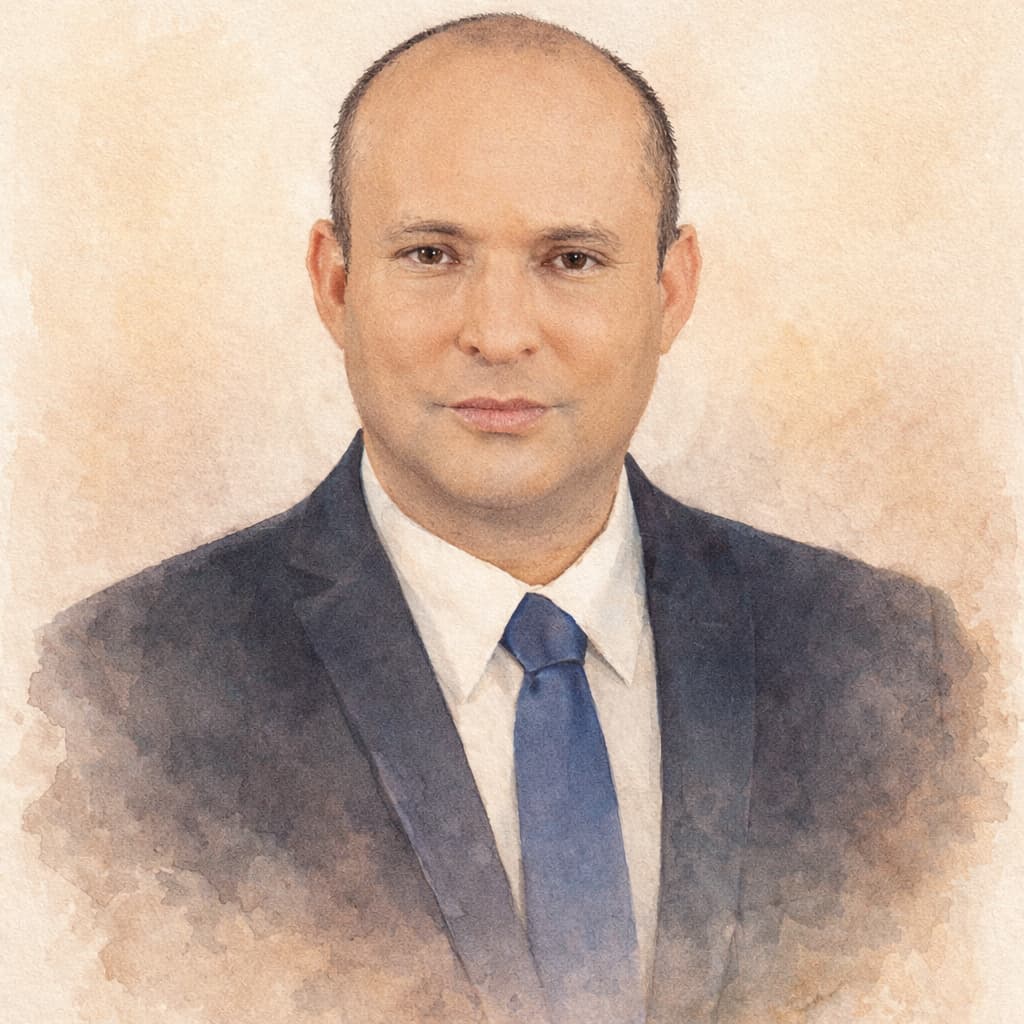
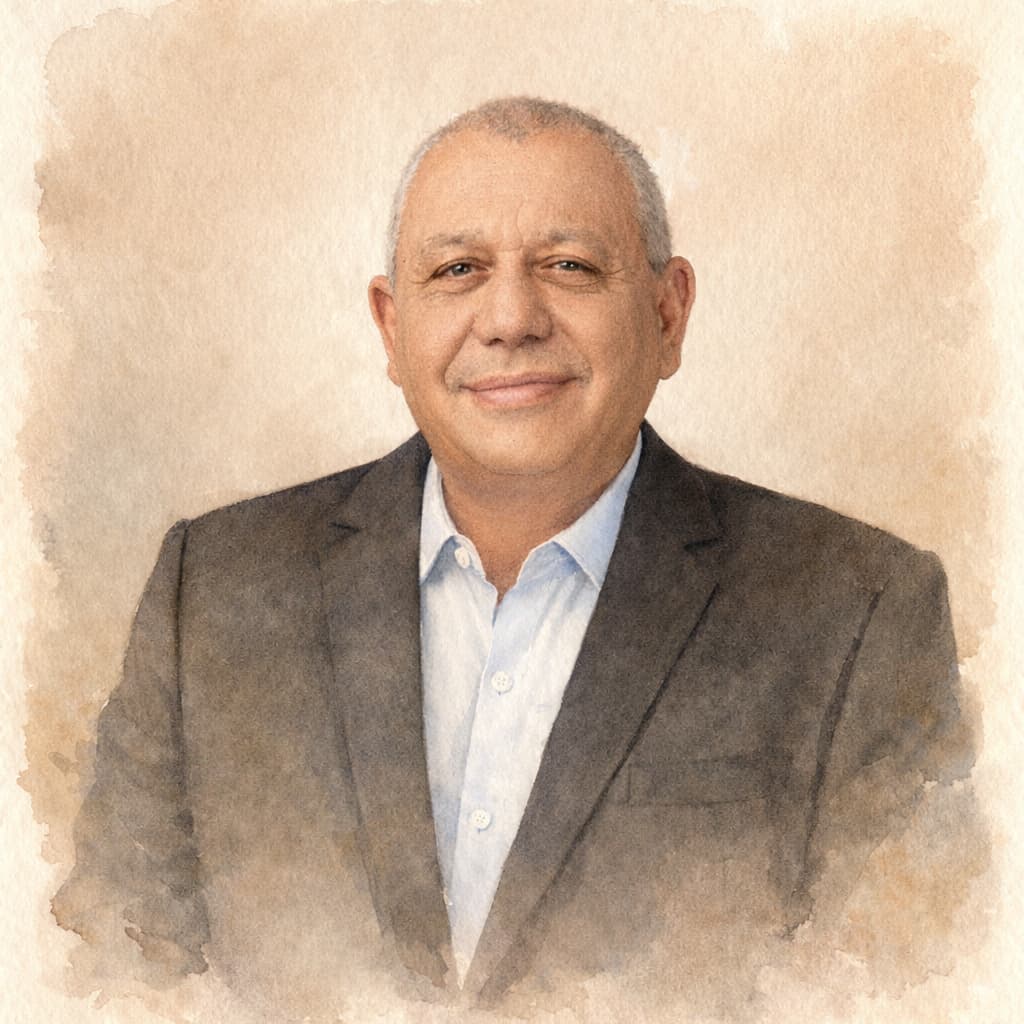
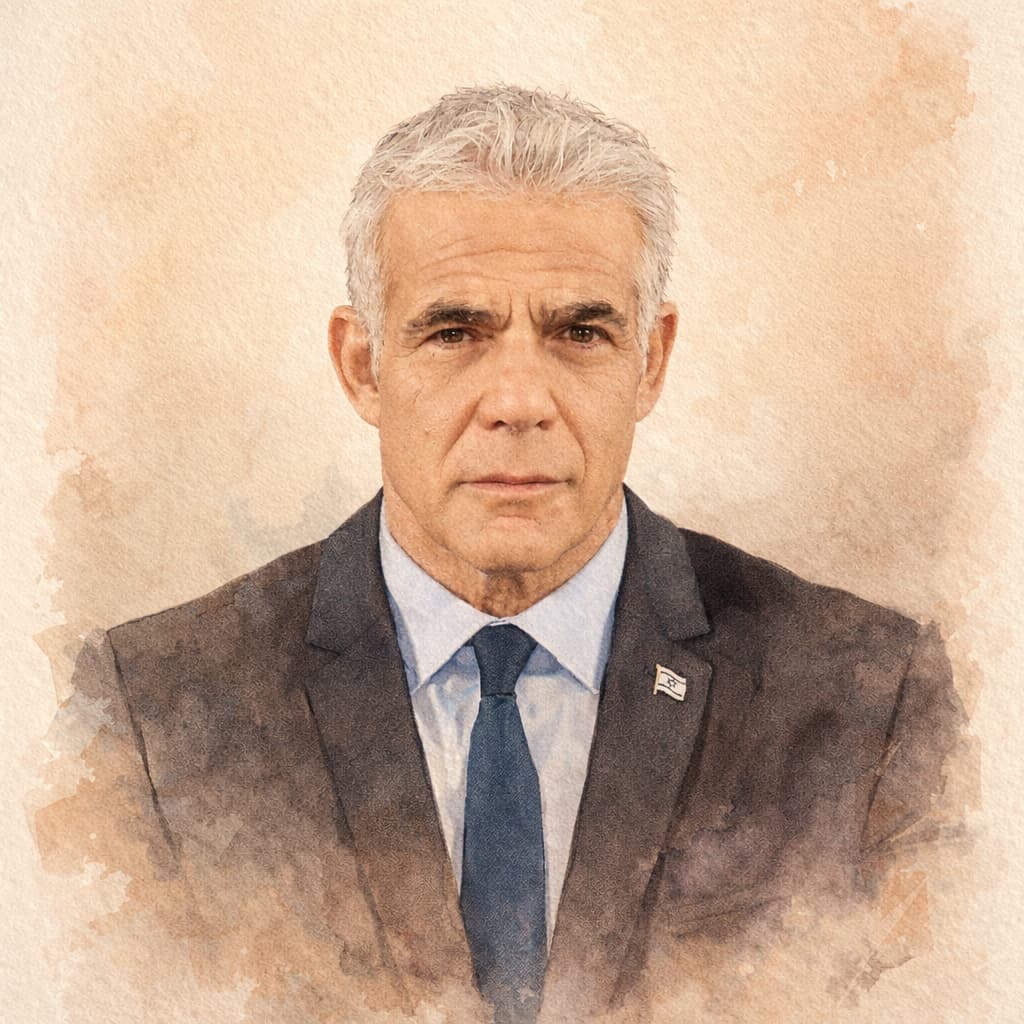
Ahead of Israel's elections, opposition leaders Gadi Eizenkot, Naftali Bennett, and Avigdor Lieberman are already contesting who will become prime minister if they win. Eizenkot leads in polls and wants the largest party leader to automatically get the premiership, but Bennett and Lieberman refuse to commit, emphasizing experience and coalition power. The Israeli system allows complex negotiations, and a rotation government between Bennett and Lieberman is possible. The opposition's post-election unity will determine if Netanyahu is replaced.
- 01Gadi Eizenkot leads opposition bloc polls with 24 seats, pushing to be prime minister if bloc wins.
- 02Naftali Bennett and Avigdor Lieberman refuse to commit to Eizenkot as prime minister despite his lead.
- 03Bennett emphasizes experience; Lieberman demands premiership and hardline policies.
- 04Israeli law does not require largest party leader to become prime minister, enabling complex deals.
- 05A Bennett-Lieberman rotation government is possible if they unite post-election.
- 06Opposition leaders compete on narratives but agree replacing Netanyahu is the main goal.
Summary translated & synthesized from the sources below by baba. Read each original for the full report.
Full coverage · 2 outlets
The same event, reported separately by each newsroom. Open a few to compare what each emphasizes — and what they leave out.




