
Rabbi Shahar Butzach to Channel 7, 'Society Must Fight for the Wounded'
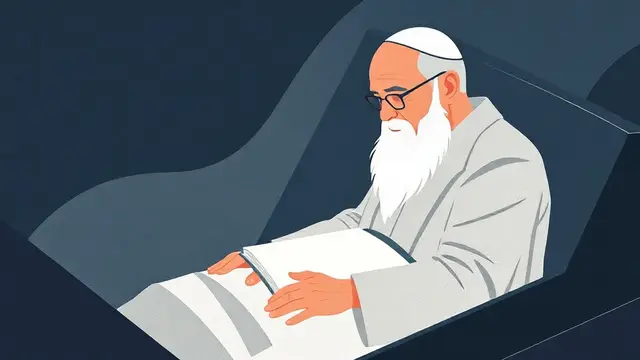
After being wounded in battle in Ofakim, Rabbi Shahar Butzach decided to devote his work to helping wounded fighters and their families, in the spirit of Rabbi Mordechai Eliyahu's love of fellow Jews.
Rabbi Shahar Butzach, who was wounded in the battle in Ofakim on October 7, appeared in the Channel 7 studio as part of the memorial event for Rabbi Mordechai Eliyahu, of blessed memory, and shared the personal struggle he has faced since his injury and his work on behalf of wounded security forces personnel. Butzach recounted the events of Simchat Torah in Ofakim, where he was wounded in the leg by fire from Nukhba terrorists and was evacuated under fire by members of his community. He said that one of them, Roi Chaim, saved his life and was seriously wounded during the rescue.
Later, when he arrived at the rehabilitation ward and met many fighters who had been wounded to varying degrees, he decided to act on their behalf and on behalf of their families. As part of this effort, Rabbi Butzach wrote a book about the rehabilitation struggle of the wounded, with the aim of making the physical, emotional and family challenges they face accessible to the public. According to him, the book has become a voice for many wounded people, allowing them to explain to their families and surroundings what they find hard to say themselves.
Alongside the book, Rabbi Butzach created a unique halakhic hotline for wounded security forces personnel, under the leadership of Rabbi Shmuel Eliyahu. The hotline is staffed by rabbis who were themselves wounded in battle, in consultation with rehabilitation doctors, psychologists and psychiatrists, in order to provide precise and sensitive answers to the complex reality of the wounded.
Butzach linked this work to the legacy of Rabbi Mordechai Eliyahu, who saw every Jew as a beloved son and was known as the father of Israel. According to him, there are currently about 22,000 wounded from the recent battles and more than 100,000 wounded from all the wars of Israel. He stressed that these are the children of all Israeli society, and that mutual responsibility requires the public to stand by them.
He suggested a simple and appropriate way to approach wounded people in public, without embarrassing or burdening them. According to him, the sentence, 'Brother, I'd be happy to help if needed,' makes it possible to offer assistance in a respectful, nonintrusive and nonbinding way, and can help those coping with the difficult transition from fighter to someone who needs help.
At the end of his remarks, he stressed that Israeli society knows how to pay tribute to the fallen, but must also learn to honor the wounded who are still fighting a daily battle. According to him, support, sensitivity and a helping hand to the wounded of the war are the way to continue the legacy of Rabbi Eliyahu's love of fellow Jews.





Ask About This Article
Duki reads it, and every newsroom on the same story, then answers with sources.