Study Finds Teen Secrecy Is Tied to How Clearly Feelings Are Expressed

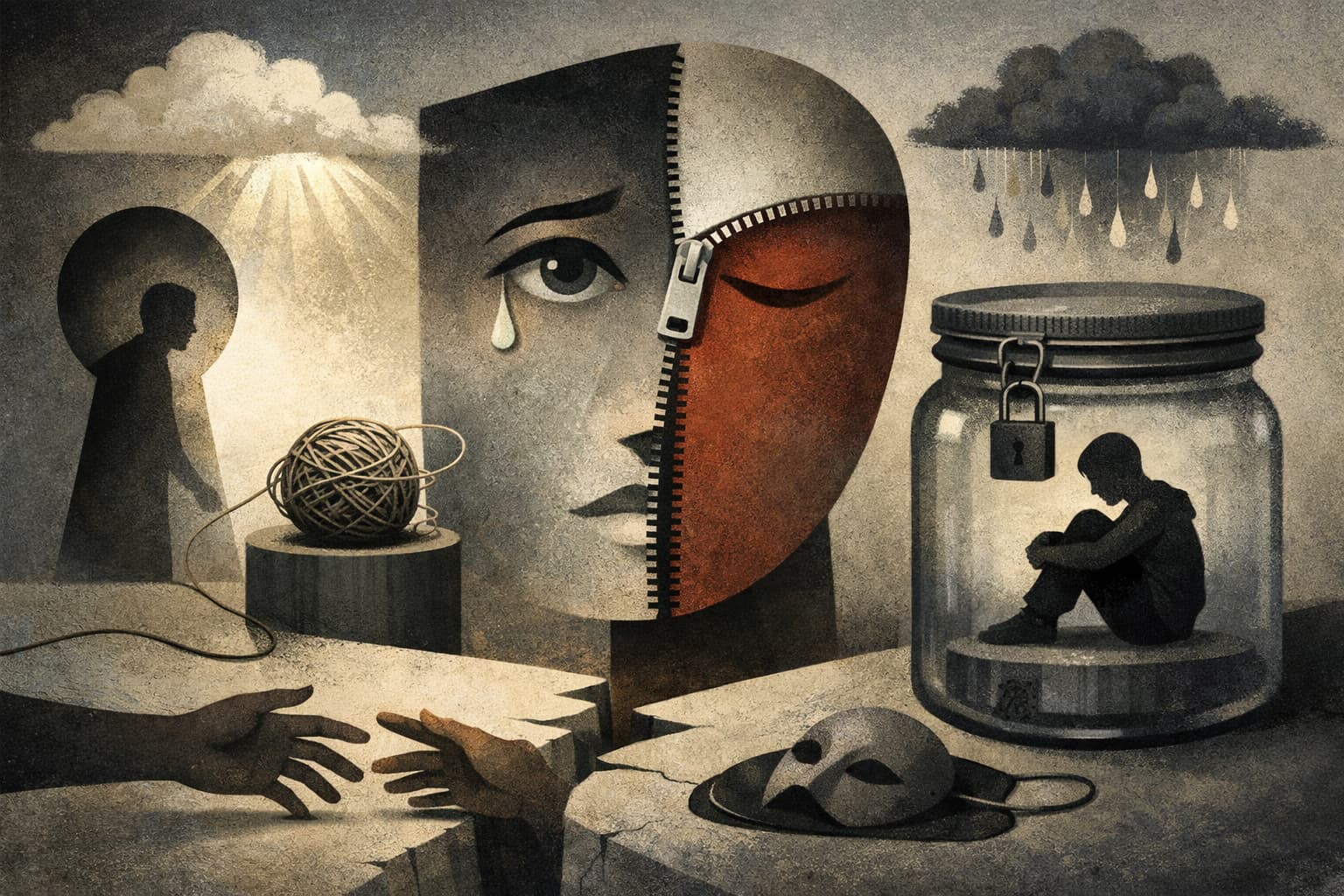
A new study on parent-teen relationships suggests that adolescents are harder to read not only because adults may not be listening well, but also because the teens themselves often mask what they feel. The researchers say open communication, nonjudgmental listening and steady parental presence can strengthen the bond and improve how well family members understand each other.
The study was conducted by Dr. Ronit Roth Hanania and Prof. Dafna Dolberg Gianio of the School of Behavioral Sciences at the Tel Aviv Yafo Academic College, Prof. Rauma Gadasi Polak of Bar-Ilan University, Dr. Haran Sand of the University of Haifa, and Prof. Yuta Yoram and Dr. Nicola Hohensey of Yale University. It followed 112 parent-adolescent pairs, with teens aged 12 to 18, for 28 days using daily diaries. Each evening, both sides reported their current emotions, how they had tried to regulate good or bad feelings during the day, and what they believed the other person was feeling.
The main finding was that parents identified their teenagers' emotions better than teenagers identified their parents' emotions. The researchers said this may reflect emotional maturity, life experience, or simply the expectation that parents pay closer attention to their children’s moods. They also found that when one family member used less effective emotion-regulation strategies such as suppression, avoidance, hiding feelings, rumination, or shutting down joy, the other person found it harder to understand that person accurately.
This pattern appeared for both parents and teens, and for both negative and positive emotions. By contrast, on days when family members used more effective ways to sustain positive feelings, such as lingering on happiness, pride or pleasant experiences, empathic accuracy was higher. The authors stress that the study is correlational, so it does not prove cause and effect, but they note that observing families in daily life gives the findings particular weight. One researcher said the issue is not only how well listeners hear, but how clearly the other person reveals an inner emotional world.
The same event, reported separately by each outlet. Open a few to compare what different newsrooms emphasize — and what they leave out.

Not the same event — other stories that share this one’s people, places, or theme: background, reactions, and follow-ups.


