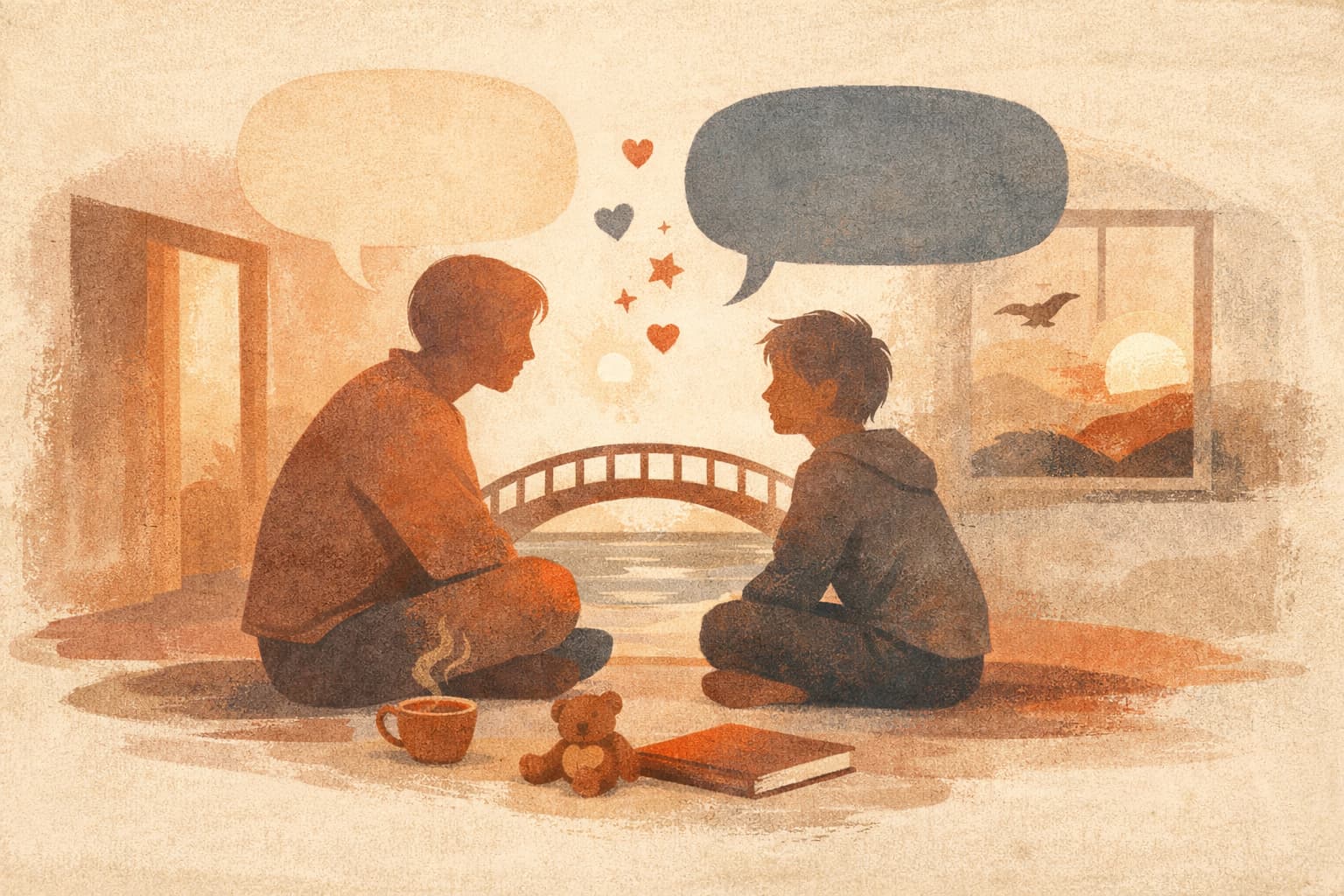
How to Build a Real Bond With Your Child

A Hebrew magazine column argues that a strong parent-child relationship is built less through practical check-ins and more through genuine, emotionally open conversation. The piece says the familiar after-school exchange, questions about homework, school notices, errands and chores, often feels like an interrogation rather than a real talk, because it leaves no room for feelings, experiences or curiosity about the child’s inner world.
Instead, the article recommends beginning with questions about the child’s day and emotions, such as who they played with, what made them happy, what they liked best, whether lunch was tasty, how a friend is doing, or whether new school supplies should be bought together. These questions, it says, show the child that the parent notices, listens and wants to be part of their world. Only after that should parents move on to practical matters like homework, forms and messages from school.
The column says the success of the conversation is visible when the child expands on the topic, adds details and shares spontaneously, rather than answering only “yes” or “no.” It acknowledges that this takes effort, especially after a long day, but insists the investment pays off, since one good conversation today can shape the relationship for years.
The article extends the lesson into adulthood, saying parents often later wonder why married or grown children share only logistical updates, such as where they will spend Shabbat or whether they can take food from the fridge. It says that if the relationship was built for years around technical questions, children learned that home is a place for updates, not emotional sharing. The conclusion is that parents should start early, creating regular, calm, private and meaningful conversations so children know their parents are truly there for them.
