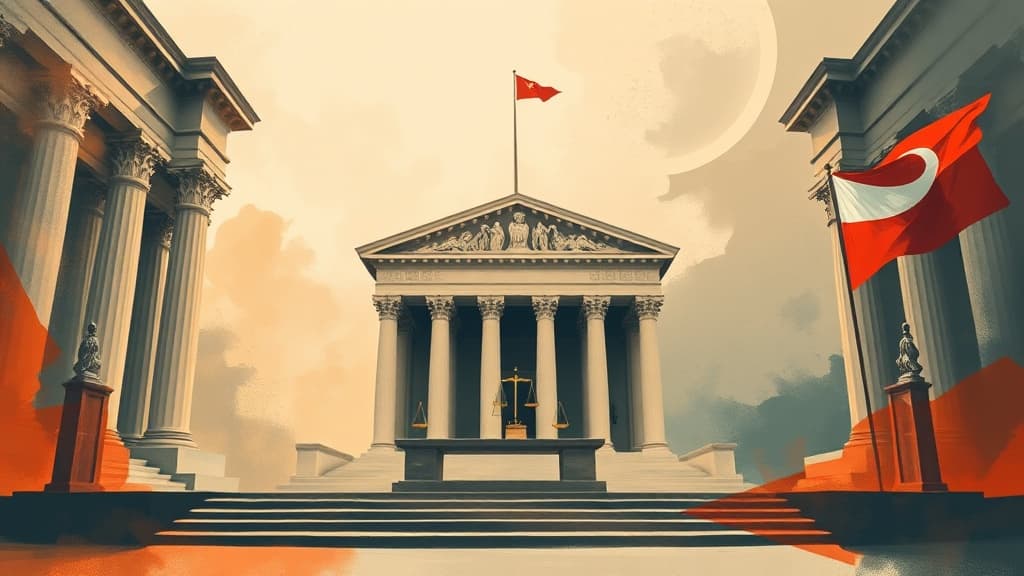
New Police Investigations Law Seen as Political Tool to Shield Israeli Government

The recently passed Police Investigations Law in Israel is criticized as a political weapon designed to protect the government from scrutiny. Former Police Investigations Department (Mahash) official Moshe Saada, who was previously discredited in a Jerusalem district court ruling, is identified as the architect of this law. The court condemned Saada for signing a witness agreement containing contradictory statements, and he now seeks to dismantle and rebuild the investigative body to serve Prime Minister Benjamin Netanyahu and his allies, including the controversial "Force 100" faction.
Saada has openly vowed to use the law to target legal advisors like Gali Baharav-Miara, who he accuses of persecuting Force 100 members. The law is expected to empower political appointees to control Mahash’s leadership, undermining its independence and deterring investigations into government corruption. The law’s enforcement is set to begin after upcoming elections, with key appointments pending that will likely ensure loyalty to Netanyahu.
Critics warn that the law threatens free media and journalists, who may be summoned for investigations as both sources and subjects, with approvals for such probes shifting away from independent legal oversight. The law also diminishes the exclusive authority of the Attorney General over investigations, transferring significant power to politically influenced figures. This shift raises concerns about selective enforcement, political intimidation, and increased corruption within law enforcement.
The law is part of a broader effort alongside legislation targeting the Attorney General’s independence, consolidating legal and investigative powers under government control. Observers see this as a dangerous politicization of law enforcement that undermines democratic norms, accountability, and the rule of law in Israel. Saada’s own statements reveal a vindictive motivation to punish critics and reshape the justice system to serve political interests.
The same event, reported separately by each outlet. Open a few to compare what different newsrooms emphasize — and what they leave out.


Not the same event — other stories that share this one’s people, places, or theme: background, reactions, and follow-ups.

