
Internal Divisions Deepen in Iran Over Escalation With US Amid Economic Crisis
Translated & summarized from Behadrei Haredim by baba
An Iranian diplomat disclosed a deepening split in Tehran between factions favoring escalation with the US and those urging caution due to economic hardships. This division coincides with heightened US sanctions and military actions, contributing to Iran's worsening economic crisis marked by soaring inflation and shrinking purchasing power.
The story in 6 lines · by baba
- Iranian decision-makers are divided between escalating conflict with the US and seeking political solutions.
- Hardliners want control over the Strait of Hormuz as leverage against Washington.
- Pragmatic faction warns of worsening economic conditions from ongoing US sanctions.
- US has increased military strikes and reinstated a naval blockade on Iranian ports.
- Iran's annual inflation reached 88.6% in June, worsening economic hardship.
- Only 3% of wealthy Iranian families can afford a full food basket amid rising costs.
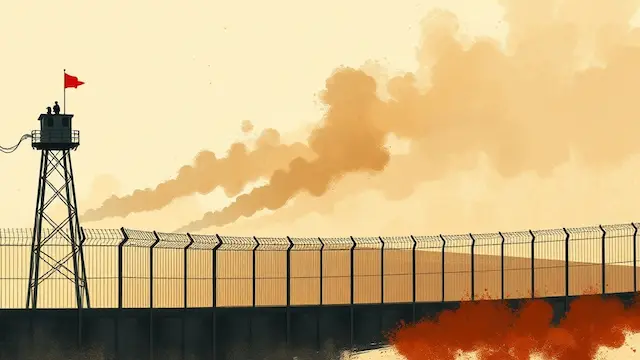
An anonymous Iranian diplomat revealed a growing rift within Tehran's decision-making circles between a hardline faction pushing for further escalation with the United States and a pragmatic group warning about the severe economic consequences of prolonged conflict. The hardliners advocate increasing military tensions and controlling the Strait of Hormuz, viewing it as a key bargaining chip against Washington. Conversely, the pragmatic faction fears that continued US sanctions and military pressure will worsen Iran's economic decline and supports seeking a political solution to ease the strain on the country.
This internal debate emerges amid ongoing mutual military strikes between the US and Iran, with Washington intensifying sanctions and reinstating a naval blockade on Iranian ports, further squeezing the Iranian economy. The Wall Street Journal linked this discord to Iran's deteriorating economic conditions, reporting an annual consumer inflation rate of 88.6% in June based on official Iranian statistics. The International Monetary Fund had forecasted a 5.4% contraction of Iran's economy for the year even before the recent escalation, with expectations of worsening if the conflict continues.
Economic assessments cited by the Journal indicate that only 3% of Iran's highest-income families can currently afford a full food basket, highlighting a sharp decline in purchasing power and increasing cost-of-living pressures across the population.
Mentioned
The same event, reported separately by each outlet. Open a few to compare what different newsrooms emphasize — and what they leave out.
Haredi 2

Not the same event — other stories that share this one’s people, places, or theme: background, reactions, and follow-ups.
