
US Intensifies Airstrikes on Iran Amid Gulf Tensions and Tehran’s Threats
Translated & summarized from Now 14 by baba
The US has conducted six nights of airstrikes targeting Iranian military sites in response to attacks on Gulf shipping routes, while Iran threatens retaliation amid rising regional tensions. Bahrain and Kuwait experienced security alerts linked to Iranian actions, and the White House insists on preventing further threats to maritime navigation. Tehran shows signs of seeking dialogue despite hardline rhetoric and demonstrations. President Trump warns of escalating strikes if talks fail, with regional dynamics remaining highly unstable.
The story in 6 lines · by baba
- US launches six consecutive nights of precise airstrikes on Iranian military targets.
- Iran threatens broad retaliation amid escalating Gulf tensions and US strikes.
- Bahrain and Kuwait face security alerts linked to alleged Iranian attacks.
- White House stresses Iran seeks dialogue despite ongoing military pressure.
- Trump warns of further strikes targeting infrastructure if no agreements are reached.
- Israeli President Herzog praises firm response and hopes for Israel-Saudi peace.
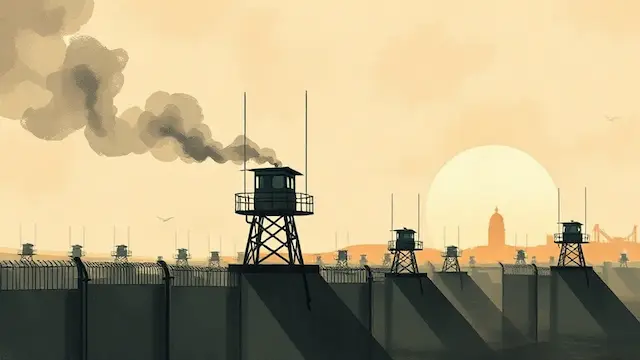
The United States has launched a sustained wave of precise airstrikes against Iranian military targets in response to recent hostile actions against shipping routes in the Gulf region. Over six consecutive nights, US Central Command (CENTCOM) deployed fighter jets, drones, and warships to strike dozens of Iranian sites including coastal surveillance, air defense systems, logistics infrastructure, and naval capabilities. Significant targets reportedly included a strategic bridge connecting Bandar Abbas to Shiraz and the airport in Iranshahr.
These military actions come amid escalating tensions in the Gulf, where Bahrain experienced air raid sirens following alleged Iranian drone attacks on the Sahir base, and Kuwait faced missile strikes attributed to Tehran. The US administration, represented by White House spokeswoman Karoline Leavitt, emphasized that Iran’s continued threats to maritime navigation will not be tolerated, while also noting Tehran’s recent overtures for dialogue amid the pressure.
Iranian officials have responded with warnings of broad retaliatory measures. Hardline demonstrations in Tehran featured murals depicting US President Donald Trump and Israeli Prime Minister Benjamin Netanyahu drowning in a "sea of revenge." Meanwhile, Iranian state media denied reports of prisoner releases, though the lawyer of detainee Dana Karari confirmed her release. Dubai authorities dismissed reports of explosions as false.
President Trump has threatened to escalate strikes further, targeting power lines and bridges unless negotiations yield agreements. Reports also indicate Iran is leveraging Houthi forces to pressure closure of the Bab al-Mandeb strait. The US military confirmed over 50,000 American troops remain vigilant across the Middle East. Israeli President Isaac Herzog expressed hope for peace between Israel and Saudi Arabia and praised the firm stance against Iran.
Key developments continue to unfold as the Gulf region faces a volatile mix of military confrontations, diplomatic signals, and strategic posturing between the US, Iran, and their regional proxies.
Mentioned




