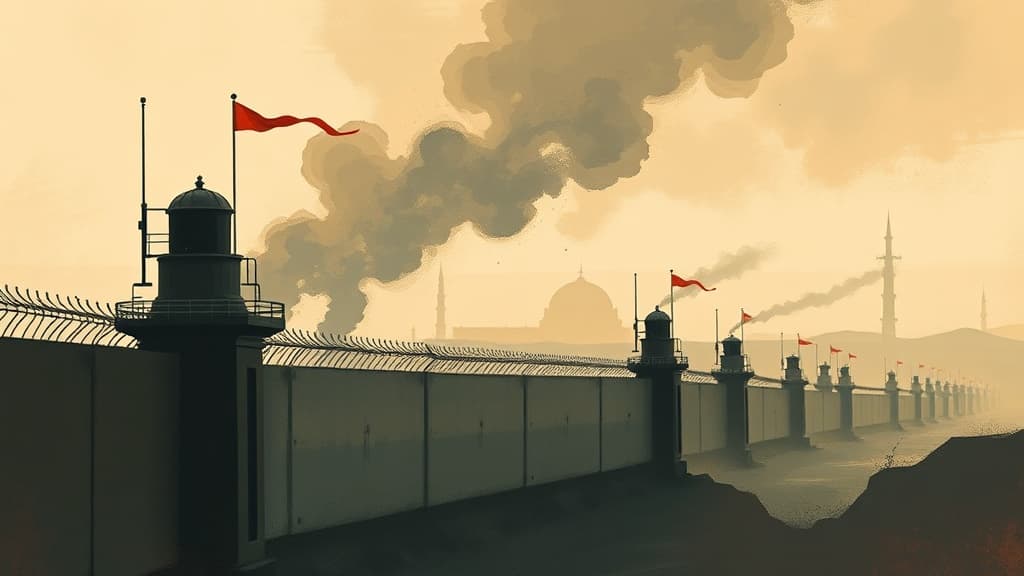
Iran’s Toll Demand at Strait of Hormuz Raises Global Shipping and Energy Concerns

Iran’s recent move to demand payments from ships passing through the Strait of Hormuz has sparked a broader global debate about the control and economic use of critical maritime chokepoints. The Strait of Hormuz, a vital natural passage for about 20% of global LNG trade and a significant portion of the world’s oil and gas shipments, has traditionally allowed free international navigation. Tehran now seeks to impose fees under the guise of services like navigation, security, and environmental protection, raising fears of a precedent that could lead other coastal states near key maritime bottlenecks to levy similar charges.
Unlike artificial canals such as Suez and Panama, where tolls are standard due to their man-made infrastructure, natural straits like Hormuz have historically been governed by international maritime law emphasizing free passage. The United Nations Convention on the Law of the Sea permits charging only for specific services, not general transit fees, making Iran’s proposal legally and politically sensitive. Turkey’s longstanding fees in the Bosporus, based on the 1936 Montreux Convention, serve as a legal precedent but differ due to their established international framework.
The strategic importance of Hormuz is heightened by its narrow geography, proximity to rival powers, and ongoing military tensions, which already complicate shipping routes and insurance costs. The situation mirrors other critical chokepoints such as the Suez Canal, Panama Canal, Malacca Strait, Bab el-Mandeb, Taiwan Strait, and Gibraltar, each with unique geopolitical and economic dynamics. Disruptions or fee impositions at these points can significantly impact global energy prices, shipping costs, and inflation.
The article highlights how the global shipping industry is shifting from prioritizing the cheapest routes to valuing security and reliability amid geopolitical risks. Iran’s toll initiative could trigger a new era where maritime passage through natural chokepoints becomes a source of revenue or leverage, challenging the principle of free navigation. This development concerns major global players including the US, Europe, China, India, and Israel, all dependent on stable and affordable maritime trade routes.
In summary, Iran’s toll demand at Hormuz is more than a regional issue; it tests the future of international maritime trade rules and the balance between sovereignty and global commerce. The outcome will influence energy markets, shipping logistics, and geopolitical alignments worldwide.
The same event, reported separately by each outlet. Open a few to compare what different newsrooms emphasize — and what they leave out.







Not the same event — other stories that share this one’s people, places, or theme: background, reactions, and follow-ups.

