
Trump Reveals Secret Operation: “We Moved More Than 200 Ships Through the Strait of Hormuz Without Iran Knowing”
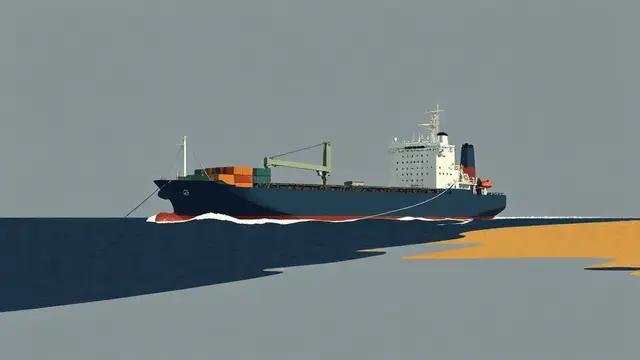
Trump revealed that the U.S. military secretly secured ship transit through the Strait of Hormuz over the past month. American officials say tanker traffic in the Gulf continues to rise despite the fighting with Iran. Any disruption in the strait affects oil and fuel prices around the world.
In a secret operation, more than 100 million barrels of oil and more than 200 commercial ships passed through the Strait of Hormuz over the past month under American protection, U.S. President Donald Trump revealed Wednesday night. According to him, it was a covert operation carried out by the U.S. military in order to ensure freedom of navigation in the area. Trump claimed that Washington “controls the Strait of Hormuz, not Iran.”
Before the secret operation was disclosed, U.S. Energy Secretary Chris Wright referred to the situation on the sensitive shipping route and noted that ship traffic and oil exports in the Gulf and the strait are rising “very significantly” compared with the previous two weeks. He also said that oil exports through the strait will continue to rise, despite the ongoing fighting between the countries.
The agreement that the United States and Iran were close to signing included a 60-day extension of the ceasefire, reopening the Strait of Hormuz, and allowing Tehran to sell oil freely. According to a senior U.S. official, the main focus of the current move was to achieve immediate calm and stabilize the global energy market, an interest for which the Iranian nuclear issue was pushed to the margins of the negotiations.
The Strait of Hormuz and oil prices: the direct impact on the economy and on all of our pockets
The Strait of Hormuz is considered one of the world’s most important energy routes, with a significant share of global oil traffic passing through it. Against the backdrop of the escalation in the region, markets are closely watching the possibility of disruptions to tanker traffic, a scenario that could lead to another sharp rise in oil prices.
Oil prices have a broad impact on many markets and products, and are therefore considered a major factor in the global economy. Among other things, rising oil prices are translated into more expensive fuel in the United States, where the average price is currently about 40% higher than before the war. In the United States, fuel prices are seen as one of the most prominent indicators of the economic situation and have a direct effect on the public and voters.
The same event, reported separately by each outlet. Open a few to compare what different newsrooms emphasize — and what they leave out.



Not the same event — other stories that share this one’s people, places, or theme: background, reactions, and follow-ups.


