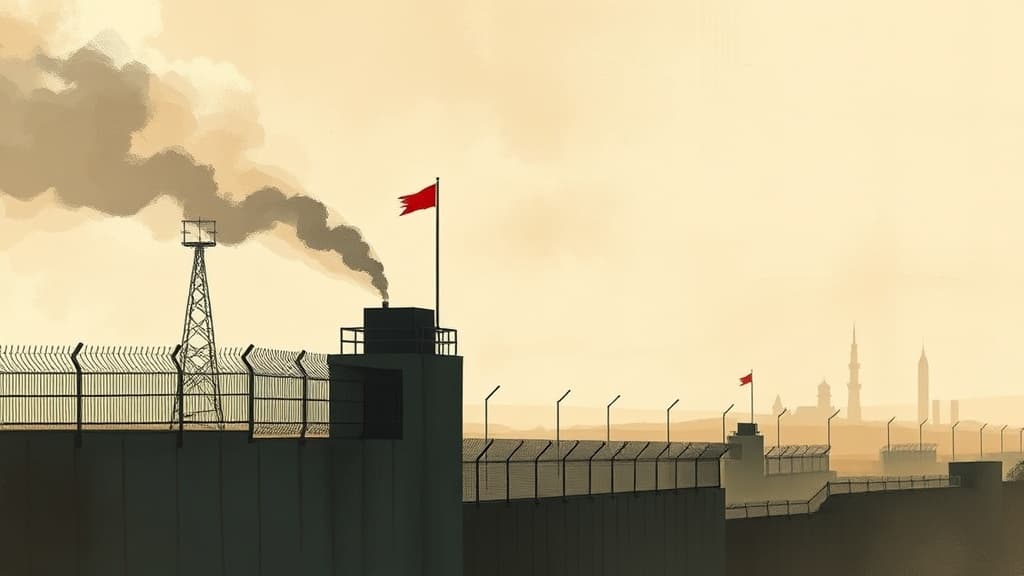
Iranian Judiciary Chief Admits Dozens of Prisoners Still Free After Evin Jail Break

Iran's head of the judiciary, Gholam-Hossein Mohseni-Eje'i, has publicly acknowledged that dozens of prisoners who escaped from the notorious Evin Prison in Tehran during last year's conflict remain at large. This rare admission highlights significant security failures within Iran's law enforcement agencies. Evin Prison, a symbol of the Islamic Republic's repression, is known for detaining political prisoners, dissidents, journalists, and dual nationals accused of espionage under harsh conditions.
The mass escape occurred amid an Israeli strike on the prison during the hostilities, which severely damaged the facility and caused chaos among inmates. Reports indicate that 75 prisoners fled, with 48 recaptured or returned voluntarily, but at least 27 remain free despite extensive manhunts. The fugitives include individuals considered dangerous or prominent political opponents, underscoring the operational challenges faced by Iranian security forces.
Meanwhile, reports from the BBC describe worsening conditions for prisoners relocated from Evin, including overcrowded cells, lack of beds and air conditioning, limited sanitation facilities, and infestations. Iranian judiciary spokesperson Asgar Jahangir previously claimed the escapees were mostly minor offenders and warned that those not surrendering would face imprisonment. However, the recent admission reveals ongoing difficulties in managing the aftermath.
Evin Prison, housing approximately 15,000 inmates, has long been criticized for severe human rights abuses, including torture and psychological isolation. The Israeli attack and subsequent breakout have dealt a further blow to the regime's image and control over its penal system.

