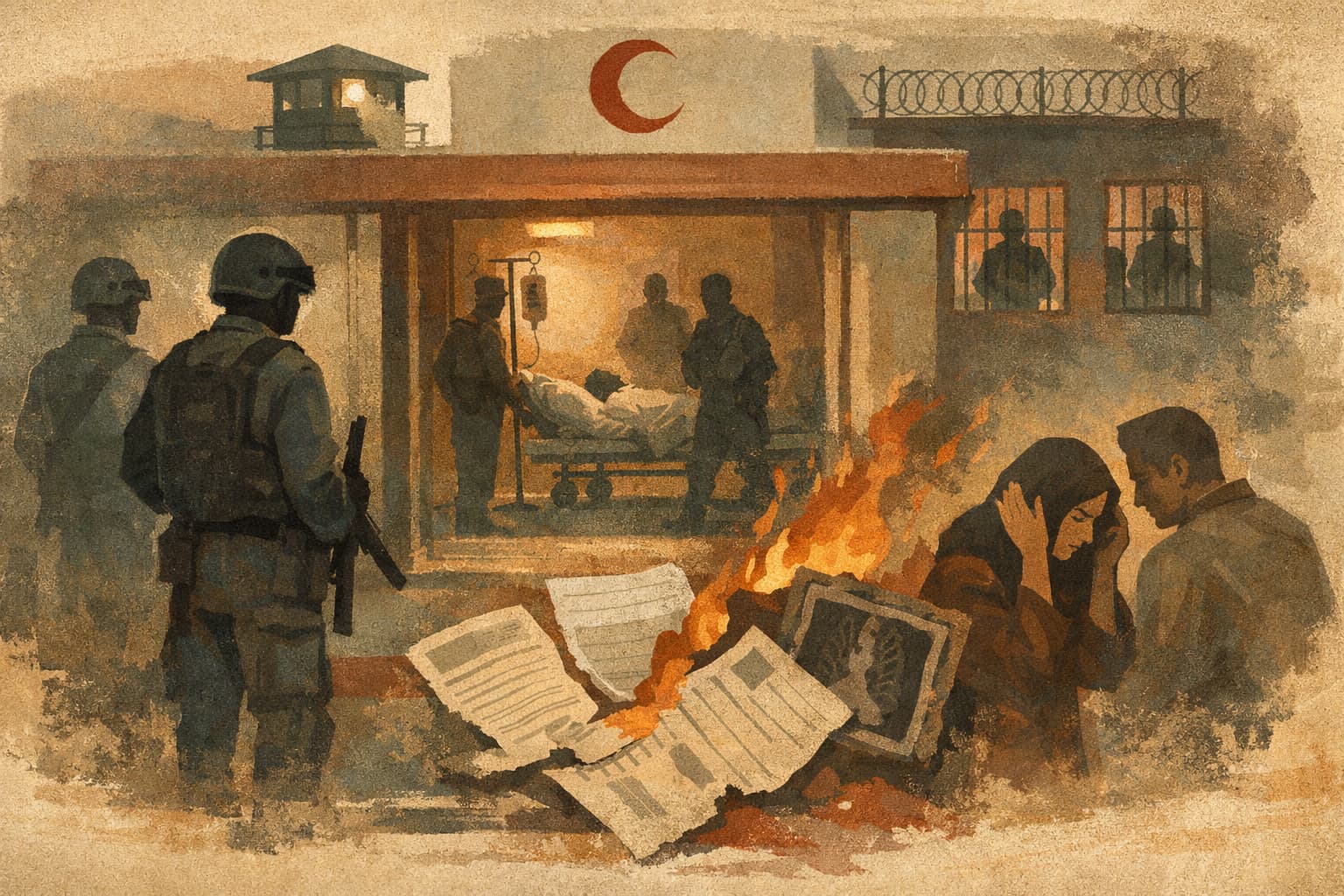
Investigation Reveals Iranian Hospital Used as Death Trap During January Protests

A new investigation by Iran International exposes how the Ghraazi Hospital in Isfahan became a center for security forces' repression during the January 8-10 protests in Iran. According to medical staff and eyewitnesses, the hospital was tightly controlled by security agencies that obstructed medical treatment, erased patient records, and concealed the scale of killings by removing names from electronic registries. One hospital worker estimated that at least 140 bodies were connected to the hospital during those days, though the actual number may be higher.
Medical sources described horrific scenes in the hospital morgue, which quickly became overcrowded with bodies piled on top of each other. In a chilling account, staff reported hearing screams from within body bags, indicating that wounded individuals were placed there alive without receiving aid. Families of the deceased were reportedly extorted for large sums ranging from five to ten billion rials (approximately $3,500 to $7,000 at the time) to reclaim their loved ones’ bodies, contradicting official statements from Iran’s Forensic Medicine Organization that promised free release of bodies and treatment for the injured.
The investigation highlights cases such as Farid Safi, who was shot in the heart by security forces and died in the hospital; his body was withheld until a heavy payment was made and strict security conditions were imposed. Another victim, an 18-year-old named Mahdi, was shot in the leg and subsequently faced legal charges at the hospital, leading to threatening visits at his home. Fear of arrest, torture, or death in hospitals caused many injured protesters to avoid medical centers, opting instead for treatment at private homes or garages with help from local residents.
Iran International’s report underscores that Ghraazi Hospital was not only a site of denied medical care but also a tool for intimidating families and erasing evidence of the massacre during the protests. This investigation sheds light on the broader pattern of repression by Iran’s security apparatus, including the Revolutionary Guards, amid nationwide demonstrations against the regime.
