Iran Escalates Attacks on Bahrain and Kuwait Amid US-Iran Ceasefire Deal Breakdown

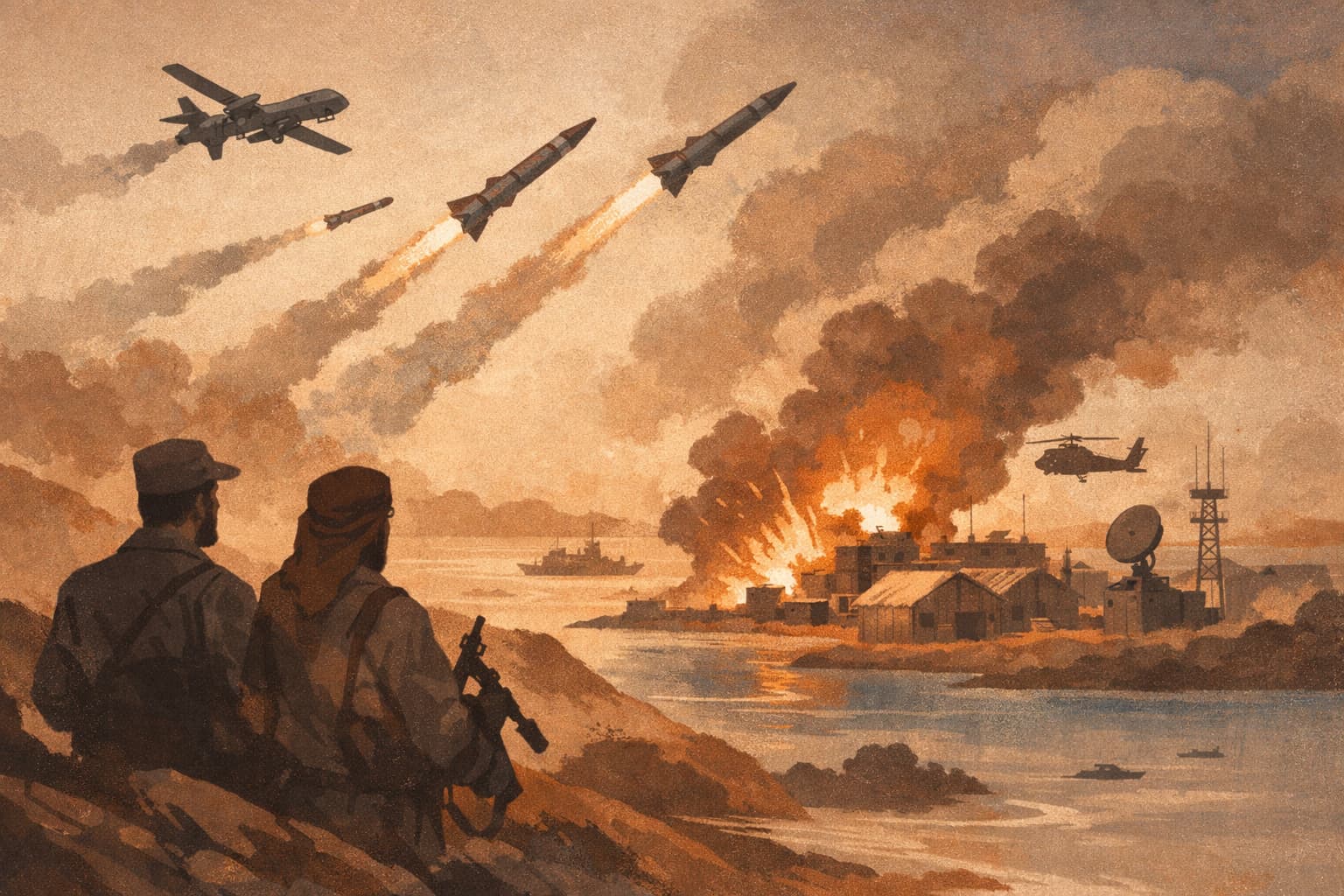
Despite a memorandum of understanding signed about ten days ago between the US and Iran outlining a path to ceasefire, hostilities have intensified on the ground. Iran launched missile and drone attacks on Bahrain and Kuwait, causing significant damage to a building in Bahrain. In response, the US struck ten Iranian military targets near the Strait of Hormuz. This escalation follows renewed Iranian attacks on oil tankers in the region, violating the agreement that the strait should remain open for navigation.
The US had recently lifted sanctions on Iranian oil for 60 days, aiming to stabilize the Iranian economy and reduce energy prices globally. However, Iran appears dissatisfied with developments in Lebanon, particularly the US-mediated agreement between Israel and Lebanon, which Tehran views as sidelining Hezbollah. This disappointment has influenced Iran's decision to intensify military actions.
Countries in the Gulf Cooperation Council (GCC) are particularly alarmed by the collapse of the ceasefire. While Saudi Arabia, Qatar, and the UAE have reached some financial understandings with Iran to avoid attacks, Bahrain and Kuwait have refused to comply with Iran’s demands, making them targets of Iranian aggression. Experts note that US military presence alone does not explain the attacks, as US bases exist in other Gulf states that have not been targeted.
The Gulf states’ economies heavily depend on oil and gas exports through the Strait of Hormuz, which Iran controls, giving Tehran significant leverage. Analysts suggest that Iran is dictating the security agenda in the Gulf, with the current ceasefire agreement effectively unenforceable. Some Iranian officials reportedly seek to undermine the deal to extract more concessions from Washington.
If a lasting US-Iran agreement is reached, Gulf states are expected to play a key role in releasing frozen Iranian assets, which total around $100 billion globally. However, the GCC has fragmented, with each member state pursuing bilateral relations with Iran. The recent attacks underscore the fragile and volatile security environment in the Gulf region.
The same event, reported separately by each outlet. Open a few to compare what different newsrooms emphasize — and what they leave out.



Not the same event — other stories that share this one’s people, places, or theme: background, reactions, and follow-ups.