
Europe Faces Deadly Heatwave as Spain Reports Hundreds of Heat-Related Deaths
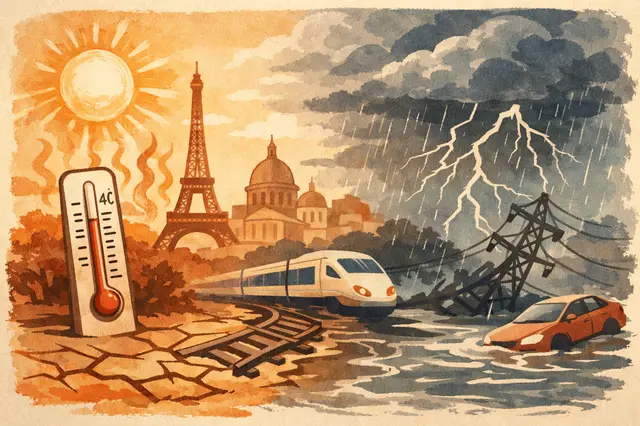
Europe is enduring a severe heatwave that has already caused numerous fatalities, particularly in Spain. According to data from Spain's Carlos III Health Institute cited by Euronews, 327 deaths were linked to heat stress between June 21 and June 26, with a total of 611 deaths attributed to high temperatures since mid-May. Spain experienced record-breaking June temperatures last week, with June 23 marking the hottest June day since records began in 1950, especially in northern regions like Bilbao where both daytime and nighttime temperature records were shattered.
While the heatwave ended in Spain on June 25, other parts of Europe remain at risk. France reported approximately 1,000 excess deaths since June 24 compared to previous months, a figure expected to rise. The World Meteorological Organization forecasts the heatwave will persist for at least two more weeks, affecting large areas of western, central, and southern Europe, gradually shifting toward the Balkans.
This heatwave follows a pattern of extreme heat events in recent years, with researchers estimating that around 2,300 people died during a ten-day heatwave last year across 12 European cities, including London, Madrid, Barcelona, and Milan. About 1,500 of those deaths were linked to climate change intensifying the heat.
Dr. Flor Diaz Germoy, a family medicine specialist at Maccabi Healthcare Services in southern Israel, explains that prolonged heatwaves are more dangerous than single hot days because the body's stress accumulates. Continuous sweating leads to fluid and salt loss, impairing blood flow and forcing the heart, kidneys, and brain to work harder. Warm nights prevent the body from cooling down and recovering, increasing physiological strain even for those who stay hydrated during the day.
High-risk groups include infants, young children, seniors over 65, pregnant women, people with chronic illnesses (especially heart, kidney, lung diseases, and diabetes), those on certain medications, outdoor workers, athletes, and individuals without access to air conditioning or shade. However, even healthy young people can suffer during intense physical activity or insufficient hydration, particularly between 10 a.m. and 5 p.m. Early warning signs include weakness, headache, dizziness, nausea, thirst, dry mouth, dark urine, muscle pain, rapid pulse, and heavy sweating. Severe symptoms such as confusion, fainting, high fever, vomiting, or worsening condition require immediate medical attention.
The same event, reported separately by each outlet. Open a few to compare what different newsrooms emphasize — and what they leave out.







Not the same event — other stories that share this one’s people, places, or theme: background, reactions, and follow-ups.

Ask About This Article
Duki reads it, and every newsroom on the same story, then answers with sources.