
Iran Talks Highlight Israel’s Push for Security Self-Reliance
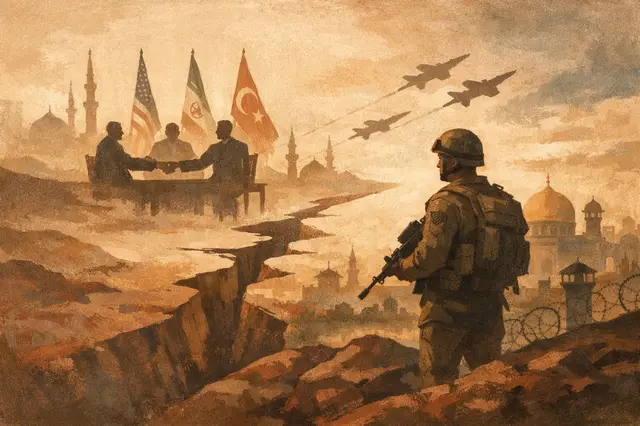
The article argues that shifting U.S. policy in the Middle East shows why Israel cannot rely on other powers for its security. It says the Trump administration is pursuing an agreement with Iran, a move that critics fear could give Tehran political and economic relief, strengthen the Shiite axis, and affect the balance of power in Lebanon and across the region.
At the same time, the United States is said to be seeking closer ties with Turkey, including arms deals and deeper strategic cooperation. The piece also points to speculation about the role of a new Syria led by Ahmad al-Sharaa, known as Abu Mohammad al-Julani, who is described as being backed in part by Ankara. Together, these developments are presented as creating a more complex regional order in which both Shiite and Sunni power centers are growing with U.S. encouragement, while Israel sits at the center of the contest.
The author says Israel recently demonstrated its operational and intelligence capabilities in moves against Iran and its determination to stop Tehran from obtaining nuclear weapons. But if an agreement is signed that does not adequately address the threats to Israel, the article warns that the consequences could be serious. It says Israel is being left out of key decisions even though they directly affect its national security.
The conclusion is that Israel must deepen its security independence through domestic weapons production, stockpiles, defense industries, and the ability to decide and act freely when national interests demand it. The article says no foreign country, however friendly, should be able to limit Israel’s freedom of action by controlling supplies of weapons, ammunition, or essential systems.


