
How the Entebbe “Selection” Helped Israel Rescue the Hostages
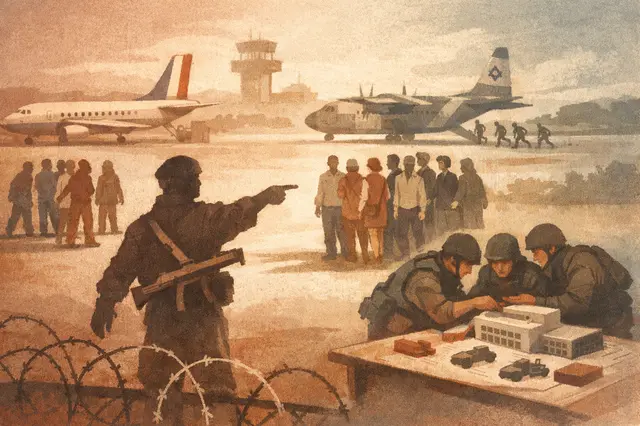
The separation of hostages at Entebbe, which shocked survivors because it resembled Nazi-era selections, later turned out to help Israel’s rescue operation both operationally and in intelligence gathering. On the 50th anniversary of Operation Jonathan, the article argues that one lesson is the role of France’s betrayal of Israel during the Air France hijacking to Entebbe, Uganda.
The hijacked plane belonged to Air France and had taken off from Israel bound for Paris. Among those aboard were 83 Israelis and about 60 French passengers. Israel saw France as responsible for the safety of all passengers, but the French government negotiated separately for the release of its own citizens and succeeded. On the third day of the hijacking, June 29, the hijackers gathered the Israeli and Jewish passengers in the old terminal at Entebbe and released the rest. Many later said the German-language orders and the separation recalled Nazi extermination camps.
Captain Michel Bacos refused to leave without his passengers, and the entire crew stayed with the hostages. The attackers first issued an ultimatum demanding action by Thursday, July 1, and threatened to kill two hostages every hour until their demands were met or all hostages died. During negotiations, they extended the deadline to July 4. The article says Israel’s anger over the “selection” later proved misplaced, because it reduced the number of people needing rescue from 140 to 80 and allowed the Mossad to question those released.
That interrogation yielded crucial intelligence about the number and positions of the hijackers, the location of the hostages, and the layout of the airport. One released passenger, Ninet Moreno, a France-based resident who was freed because she held a Canadian passport, gave detailed notes to Mossad personnel and IDF special forces officer Amiram Levin. She had repeatedly crossed between the two sides of the terminal through chemical toilets and recorded what she saw in a notebook, including the hall, windows, the hostages’ positions, and cardboard panels wired beneath the windows. After the hijacking, she moved to Israel with her family, and two grandsons joined Sayeret Matkal. One was Lt. Col. Emmanuel Moreno, killed 30 years later in southern Lebanon during the Second Lebanon War, whose photograph remains classified. The article closes by drawing a parallel to Donald Trump’s current “betrayal,” suggesting that what now seems harmful may later prove helpful to Israel.
The same event, reported separately by each outlet. Open a few to compare what different newsrooms emphasize — and what they leave out.







Not the same event — other stories that share this one’s people, places, or theme: background, reactions, and follow-ups.


Ask About This Article
Duki reads it, and every newsroom on the same story, then answers with sources.