
Solitude or Strength? A Reading of Balaam’s Blessing
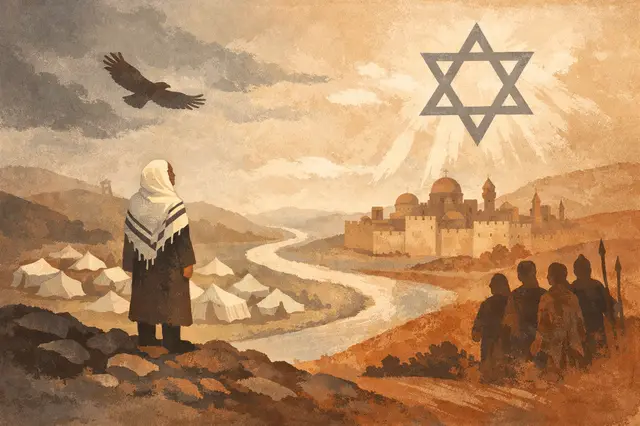
Rabbi David Stav’s weekly commentary on Parashat Balak uses Balaam’s famous oracle to ask whether Jewish isolation is a curse or a blessing, and whether anti-Semitism and hostility toward Israel can or should be resisted. He opens by referring to recent fears that U.S. President Donald Trump has turned against Israel, and asks whether Jewish history is marked by a fixed destiny of rejection by nations, even by former friends.
In the Torah story, Balak, king of Moab, panics as Israel approaches his borders on its way to the Promised Land. He summons Balaam, portrayed as a major prophet or sorcerer of the time, to curse Israel. Balaam reluctantly agrees, but after repeated attempts to speak against Israel, his words are transformed into blessings instead. One of those lines, “A people that dwells apart and is not reckoned among the nations,” became a central national motif and, the writer notes, even inspired the name of Israel’s Operation With the Lion, launched against the Iranian nuclear threat.
The common modern reading of “a people dwelling alone” is that Jews should ignore what other nations say. But, Stav argues, most Jewish commentators read it differently: Israel is the one people that will endure through history, and “will not be reckoned” means it cannot be counted like other nations because it lives by different laws and patterns.
He says history has largely confirmed Balaam’s words, since peoples such as Moab, Edom, and ancient Egypt have vanished while the Jewish people remains. Yet that same endurance can become dangerous if mishandled. Jewish distinctiveness can generate great blessing, but it can also fuel hatred if expressed improperly. The final lesson, he writes, is that Jews must both trust their own survival and show gratitude to nations and leaders who have helped them, even while remaining wary of fickle allies like Trump or hostile enemies like Iran’s Ali Khamenei.
The same event, reported separately by each outlet. Open a few to compare what different newsrooms emphasize — and what they leave out.

Not the same event — other stories that share this one’s people, places, or theme: background, reactions, and follow-ups.


Ask About This Article
Duki reads it, and every newsroom on the same story, then answers with sources.