
Iran, Russia and Yemen: The shipping chokepoint strategy that could shake the global economy
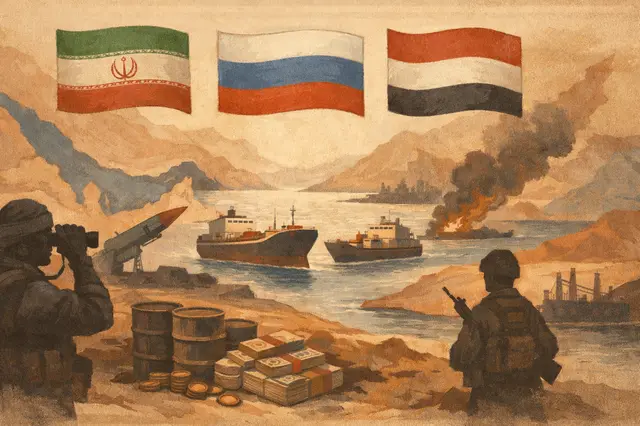
Iran is preparing for the possibility that negotiations collapse, and according to the report, the Islamic Revolutionary Guard Corps wants to turn the Strait of Hormuz and Bab al-Mandab into an economic weapon. The effort is said to be led by Ahmad Vahidi together with Quds Force commander Esmail Qaani, with the goal of building the ability to disrupt global trade.
The report says Russia has become a major factor because sanctions have pushed it to rely heavily on the Bab al-Mandab shipping route. Iranian officials reportedly identified that dependence and converted it into a significant source of revenue for the Revolutionary Guard.
The person handling Russia-related ties for the Guards is said to be Kamaluddin Nabizadeh. According to the report, he transfers money received from Russia to Qaani’s Quds Force, and from there the funds are sent to the Houthis, either as cash or as weapons.
The same officials were previously linked to a corruption case exposed by Channel 14, in which about $700 million was embezzled from the Revolutionary Guard’s coffers. Despite that scandal, Qaani and Nabizadeh were returned to service, apparently because of their ability to raise money outside Iran and the organization’s severe financial distress. The report concludes that this arrangement creates Iran’s pressure mechanism, with Russia funding, the Quds Force managing, and the Houthis arming up, turning Hormuz and Bab al-Mandab into a global leverage point.



