
Report: Iran Eyes Billions in Revenue From the Strait of Hormuz
Translated & summarized from Srugim by baba
Iran is exploring a plan to monetize the Strait of Hormuz after wartime disruption to shipping. The proposal could bring roughly $40 billion a year and give Tehran new control over the strategic waterway, while Iranian officials seek regional and Chinese backing.
The story in 5 lines · by baba
- Iran wants to earn billions from managing the Strait of Hormuz.
- Tehran says fees could total about $40 billion annually.
- The plan follows wartime closure of the vital shipping route.
- Iran is studying the Dardanelles as a possible model.
- Tehran hopes to win support from Middle East states and China.
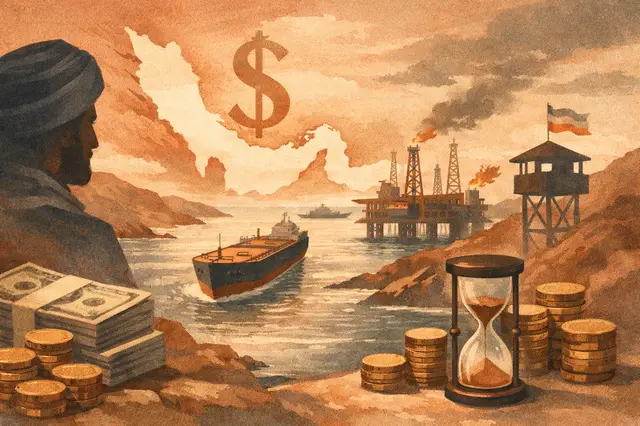
Iran is working on a plan to generate billions of dollars from the Strait of Hormuz, according to a report Thursday in The Wall Street Journal. The move comes after the shipping route was shut during the war, and Tehran wants to turn the chokepoint, which is crucial to global oil exports, into a managed revenue source.
According to the report, Iranian officials believe they could collect payments for "security, safety and environmental protection services" in the strait, potentially creating about $40 billion a year for the states involved in the arrangement. People familiar with the matter said that if the plan is implemented, it would give Iran an income stream and a level of control it did not have before the war.
As part of the concept, the Islamic Revolutionary Guard Corps has warned that unscheduled passage through the strait is dangerous and prohibited. Iranian officials are also examining similar models used elsewhere, including the Dardanelles, where Turkey charges ships transit fees on voyages to and from the Aegean Sea.
Iran reportedly intends to present the proposal to Middle Eastern countries and even to China, in order to win international support. Tehran also wants neighboring Gulf states to join the deal and share the resulting income.
Mentioned





