
Israel Competition Trial Puts Victor's CEO and Grocery Pricing Practices on Trial
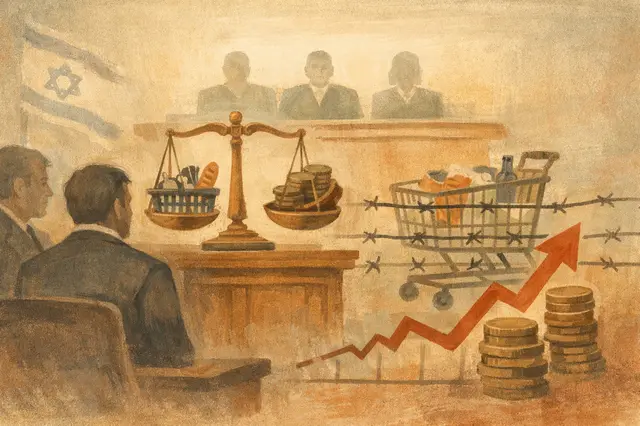
Israel’s Competition Authority opened a major price-fixing trial at the Tel Aviv District Court, arguing that the food retail market’s repeated price hikes were driven by coordinated pressure, public statements, and hidden messages among senior players. Competition Department head Attorney Ofir Maoz said the indictment shows how competition is harmed and prices to consumers rise, adding that for years it was hard to raise prices because of the cottage cheese protest and that the defendants wanted to be the first to "open the door" for suppliers.
Among the defendants are Victor's owner Eyal Raviv, the Victor's chain, Yochananoff, Super Bareket, senior managers, and other companies. The authority says each participant played a different role in an alleged scheme to influence the food market through public remarks, talks with suppliers, and messages passed among leading industry figures. The case is being described as one of Israel’s most important competition trials since the Shufersal affair.
That earlier case ended in 2014 with former Shufersal CEO Efi Rosenhaus receiving four and a half months in prison, of which he served two, after being convicted with former commerce vice president Eli Gidor. The Supreme Court then said, "The economic crime does not pay," and called for tougher punishment to protect competition, consumers, and the cost of living.
The new case is legally more difficult for prosecutors because they must convince the court that public interviews, social media posts, and conversations can amount to a criminal offense under certain circumstances. Raviv’s lawyers argue that "an utterance is not an offense, a forecast is not coordination, [and] criticism is not an anti-competitive arrangement," saying his remarks were meant to warn consumers about price increases, while his supplier talks were ordinary business negotiations. Raviv also denies that separate events were stitched together afterward into one criminal story.
The first prosecution witness, former Dr. Fischer sales and trade vice president Eli Shani, backed the claim that no supplier wants to be first to raise prices. The hearing featured recordings and messages, including one in which he told Raviv that "everyone will raise prices by Thursday," naming Yochananoff and Shufersal, and another quoted Raviv saying, "There is a shitty people here, so if you need to raise prices, my brother, raise them." The judge has not ruled yet, and the case is expected to test the line between harsh market behavior and criminal conduct.





Ask About This Article
Duki reads it, and every newsroom on the same story, then answers with sources.