Russia Targets Israelis in Courts, Exploiting Legal Loophole

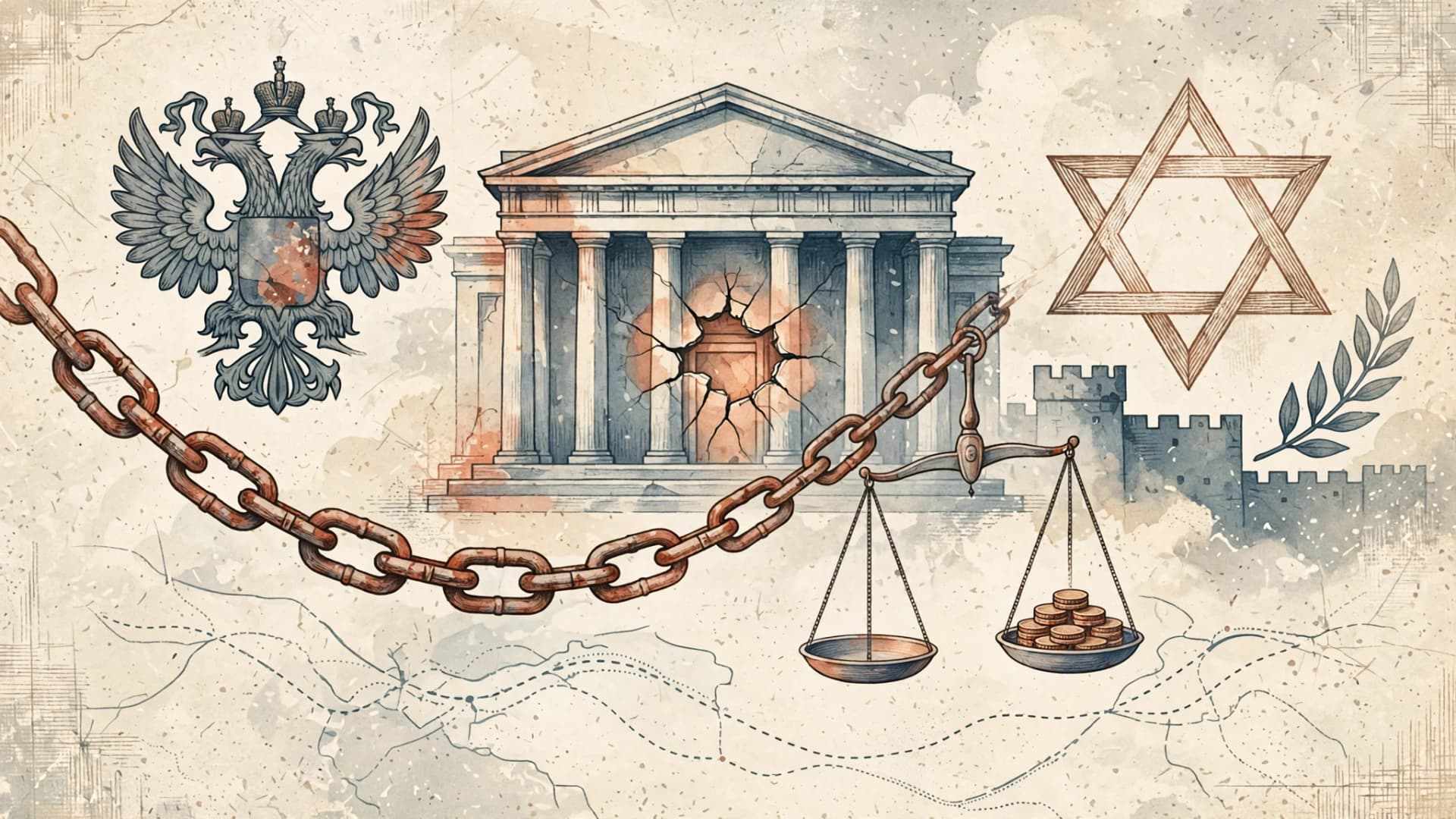
Russia is reportedly using Israeli courts to pursue wealthy repatriates, a trend uncovered by a journalistic investigation. At least 22 cases are underway in Israel against individuals who have made aliyah, with assets valued at approximately 70 million shekels at risk of confiscation. This situation arises because, unlike the EU and US which ceased legal cooperation with Russia following its invasion of Ukraine, Israel remains a unique Western jurisdiction for such proceedings.
Critics suggest Israeli courts often automatically recognize Russian rulings without scrutinizing their political or legal context. This allows appointed Israeli administrators to freeze accounts, seize property, and sell assets to satisfy Russian plaintiffs. The mechanism is seen by some as a tool for pressure and asset seizure.
A prominent case involves Boris Spiegel, 73, a former Russian senator and businessman who returned to Israel for health reasons after serving a prison sentence in Russia. Russian authorities are reportedly seeking millions through bankruptcy proceedings involving his ex-wife, aiming to seize a family villa in the upscale Israeli village of Savion.
Other repatriates face similar challenges. Businessman Eduard Kabakov is reportedly being targeted by a Russian insurance company seeking to confiscate his Israeli apartment, despite successfully challenging the original lawsuit in Russia. Israeli officials, speaking anonymously to Ynet, acknowledged that Russia is deliberately exploiting the Israeli legal system to target individuals and liquidate their assets, finding it the only viable Western platform.
Affected entrepreneurs, led by Spiegel, are urging Israel's Ministry of Justice to halt the recognition of such Russian court decisions. Neither the Israeli Ministries of Justice and Foreign Affairs nor the Russian Embassy have yet issued official comments.
The same event, reported separately by each outlet. Open a few to compare what different newsrooms emphasize — and what they leave out.



Not the same event — other stories that share this one’s people, places, or theme: background, reactions, and follow-ups.