
Late-Night World Cup Viewing Can Leave You Tired, Hungry, and Sluggish
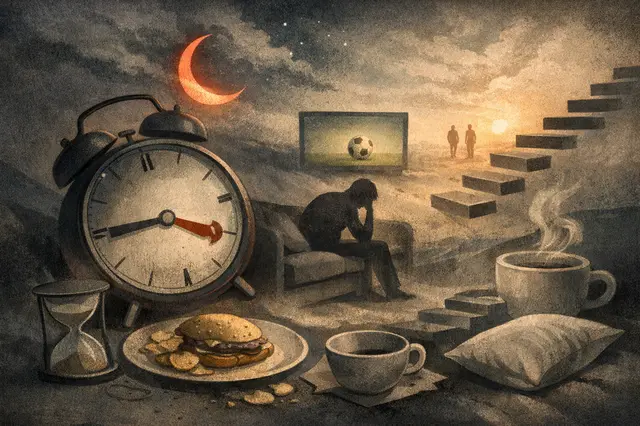
The article explains that while the World Cup is an emotional and social event for millions of fans, watching matches that air in the middle of the night can seriously disrupt the body’s sleep cycle. A single all-nighter usually does not cause major harm, but several short nights in a row can affect concentration, decision-making, headaches, irritability, and even immune function.
Dr. Kay Elkra, a family physician with Maccabi Health Services in the North District, says the body uses sleep to recover overnight: the brain processes information, the nervous system calms down, and hormones that support balance and alertness are released. When people sleep too little, the effects show up quickly, including heavy fatigue, low patience, trouble focusing, “brain fog,” and sometimes increased hunger and cravings for sweets or caffeine. The impact can be worse for people with high blood pressure, migraines, or sleep disorders.
The piece warns against trying to stay up for every match throughout the tournament. Instead, it recommends planning rest in advance, such as a short evening nap or a 20 to 30 minute afternoon sleep before a late game, and choosing only the matches that are truly worth losing sleep over.
Caffeine can help only to a point. Too much coffee or energy drinks can cause a fast heartbeat, nervousness, headaches, shaking, pressure, and difficulty falling asleep the next night, creating an ongoing cycle of exhaustion. Energy drinks may also contain large amounts of sugar, which can cause a quick spike in energy followed by a crash, and they may be especially problematic for people with heart problems, blood pressure issues, or anxiety. To recover after a short night, the article advises getting daylight in the morning, drinking water, not skipping meals, avoiding caffeine in the afternoon and evening, taking a brief nap if needed, and keeping a regular bedtime the following night.
The same event, reported separately by each outlet. Open a few to compare what different newsrooms emphasize — and what they leave out.

Not the same event — other stories that share this one’s people, places, or theme: background, reactions, and follow-ups.


