
A Month of Almost No Sleep, How Will We Survive the World Cup?
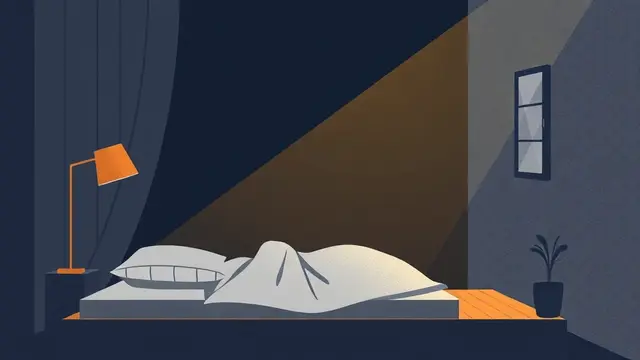
I will begin with a personal confession: I moved to Israel from Argentina several decades ago, and football is far from a marginal issue for me. I do not intend to miss a single match of Argentina’s national team in the upcoming World Cup. But this year the tournament will be held in the United States, Canada and Mexico, which means that for viewers in Israel, many of the matches will take place very late at night, sometimes even toward dawn. One all-nighter for a big match is not a medical drama for most healthy people. The body knows how to cope with an isolated disruption. The problem begins when that disruption becomes a month-long routine, in which the biological clock is repeatedly forced to operate contrary to what the body was designed for, while still getting up in the morning and functioning as if nothing happened.
What happens to the body? Sleep is not just time for rest. It is an organized biological system that regulates alertness, body temperature, hormones, appetite, mood, memory and decision-making. In the small hours of the night, the body is supposed to be at peak melatonin secretion, with a natural drop in alertness and reaction time. When we stay awake in front of a bright screen, eat, drink coffee and act as though the middle of the night is just another evening, a contradictory biological message is created. It is essentially a kind of social jet lag, the body is in night mode, but behavior signals day. Studies in recent years show that even when a person feels they are functioning reasonably well, the brain is already working less efficiently, especially in decision-making, impulse control and the ability to stay focused for long periods.
One of the first signs of this is sleep inertia. This is that feeling of heaviness, fogginess and lack of sharpness after waking up, especially when waking from deep sleep. A person can get out of bed, get dressed, drive or start a workday, but their brain has not yet returned to full function. That is why fatigue after a late-night match is not just discomfort. It can impair reaction time, concentration, judgment and patience. For drivers, shift workers, parents of small children and people making significant decisions in the morning, this becomes a matter of function and safety. One of the less familiar effects is that sleep deprivation also increases impulsive behavior and stronger emotional reactions. In other words, after several such nights people are not only more tired, they are sometimes also more irritable, less patient and less level-headed.
So what should be done? The first rule is not to try to watch everything. Medically, there is a big difference between two or three important matches a week and a month of continuous late-night viewing. It is worth deciding in advance which matches are truly important and giving up on watching out of habit. Precisely those who love football should protect themselves so they can enjoy the tournament until the end. Incidentally, studies in sleep medicine show that the feeling of, “I’ll get used to it,” is usually misleading. The body almost never truly adapts to chronic sleep deprivation, it mainly learns to function while feeling constantly tired.
When you do decide to watch, it is better to plan sleep rather than improvise it. If the match starts at 3 a.m., going to sleep early in the evening, waking for the match and then going back to sleep afterward is generally preferable to a full all-nighter. The day after, a short nap of 20 to 30 minutes can improve alertness without pushing the body into deep sleep from which it is hard to wake up. A nap that is too long, on the other hand, can make it harder to fall asleep the following night and deepen the disruption. A less well-known tip is to avoid napping in the late evening. That is one of the fastest ways to push the biological clock even further toward night. Light also plays a major role. During the match, it is a good idea to reduce bright lighting and avoid additional screens beyond the game itself. In the morning, do the opposite, go out into daylight as early as possible. Morning light is one of the simplest and most effective tools for resetting the biological clock. Timing matters too, even 15 to 20 minutes of natural light in the morning can be more effective than another cup of coffee. By contrast, one of the most problematic habits is staying in bed after the match while scrolling on the phone. From the brain’s perspective, the game may be over, but the brain is still receiving stimulation that delays sleep.
Coffee can help, but only if used carefully. Coffee at the start of the night may improve alertness, but coffee toward the end of the match can remain active in the body for hours and make the next sleep more difficult. Alcohol is not a solution either. It may create the feeling of falling asleep more quickly, but it harms sleep quality, increases awakenings and leaves deeper fatigue in the morning. One surprising point is that even people who think they “sleep great after alcohol” show a significant reduction in deep sleep quality in sleep tests. Food also matters. A heavy, fried or sweet meal in the middle of the night is not the same as that meal during the day. The body processes sugar and fat differently at night, so it is better to choose something light, yogurt, fruit, a small sandwich, nuts or water instead of sugary drinks. The World Cup does not have to turn every night into a holiday meal. Another less familiar point is that sleep deprivation itself increases hunger and cravings for foods high in sugar and fat. In other words, after several short nights people not only eat at worse times, they also tend to choose less healthy food.
Light to moderate physical activity during the day can help stabilize the biological clock, reduce stress and improve sleep quality. By contrast, intense exercise close to bedtime may have the opposite effect. Anyone who suffers from high blood pressure, diabetes, heart disease, severe snoring or unusual sleepiness should be even stricter about protecting sleep and should treat persistent fatigue as a sign that requires attention. In such people, a month of repeated sleep disruption can turn from temporary fatigue into a real physiological burden.
The World Cup is a celebration and, in many ways, also a human moment of belonging, memories and excitement. There is no need to give it up. But it is important to understand that the body can forgive one unusual night, and it charges interest on chronic disruption. So the simple recommendation is to watch the important matches, enjoy them for real, but manage this month like any other health burden, with choices, boundaries, planned sleep, morning light, less late caffeine, less alcohol and fewer heavy meals in the middle of the night.
Dr. Manuel Katz, chief physician of Femi, president of the Gush Goshen Center and former president of the Israel Pediatric Association
The same event, reported separately by each outlet. Open a few to compare what different newsrooms emphasize — and what they leave out.

Not the same event — other stories that share this one’s people, places, or theme: background, reactions, and follow-ups.

