Texas murder verdict sparks national fight over race and jury fairness

A Texas murder trial has ignited a fierce national dispute over race, after 17-year-old Carmelo Anthony, a Black teenager, was convicted of murdering Austin Metcalf, a white student, and sentenced to 35 years in prison earlier this month. The case stems from a fatal confrontation on April 2, 2025, during an athletics meet at Kuykendall Stadium in Frisco, Texas.
According to arrest-report details and witness statements, Anthony sat near students from another school after approaching their tent. Metcalf allegedly asked him to leave, after which Anthony reached into his bag and warned, "Touch me and see what happens." Witnesses said no one believed he had a weapon. The accounts differ slightly on whether Metcalf touched or grabbed him, but Anthony then pulled out a knife and stabbed Metcalf once in the chest before fleeing. Metcalf was found unresponsive, receiving CPR from school coaches, and was later pronounced dead at hospital.
Anthony was arrested immediately and told police he acted in self-defense. He reportedly said, "I did it," and later asked officers whether Metcalf would be okay and whether the case could really count as self-defense. The jury convicted him of murder, a sentence that is not unusual in Texas for intentional killing.
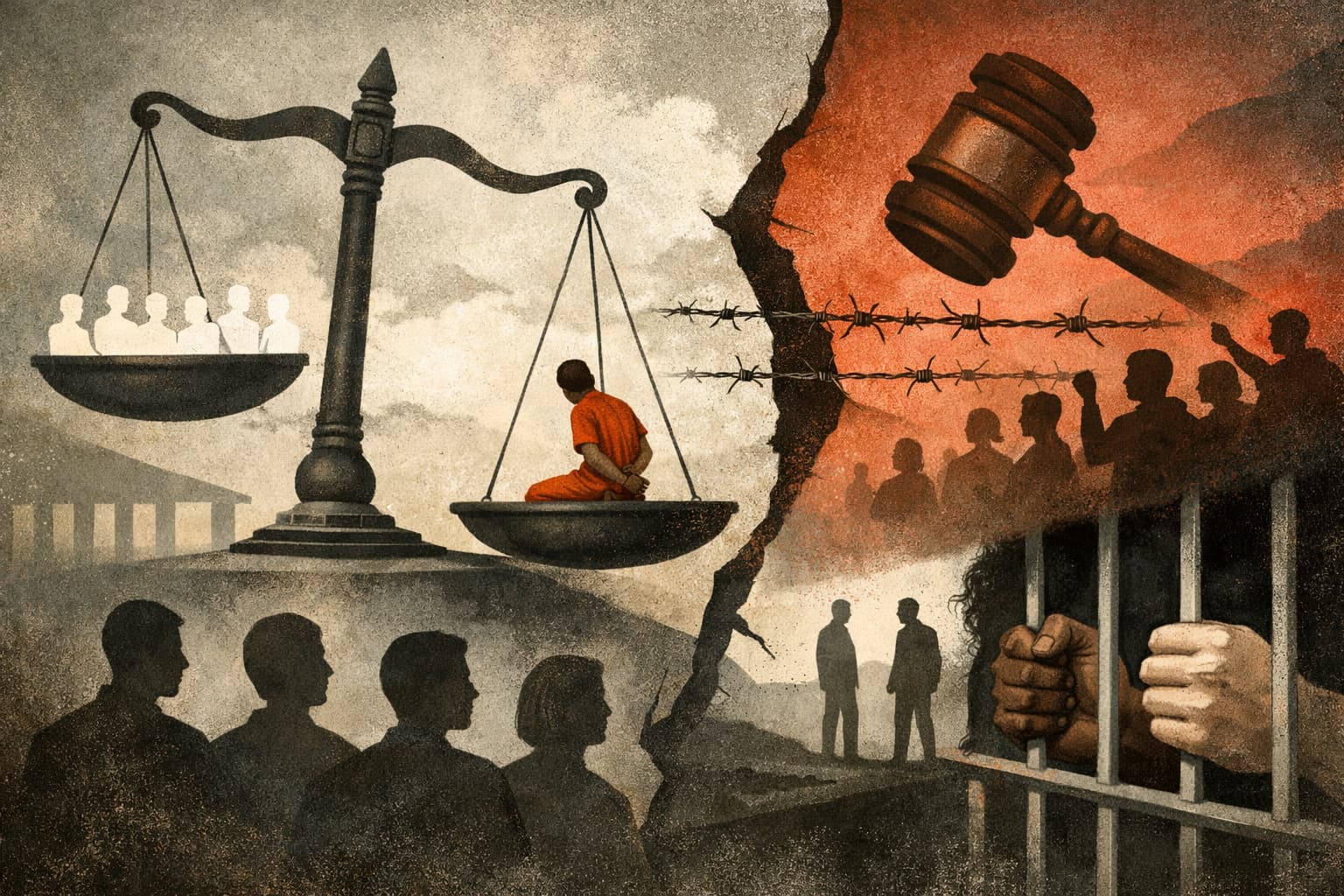
Despite that, Democratic lawmakers and activists argued that the verdict may have been affected by the all-white composition of the jury. Representative Christian Menefee of Texas called it "an injustice" and said jury selection used early strikes to reach that result. Representative Troy Carter of Louisiana said the case looked like "a young man was attacked and defended himself," and others urged a new review or appeal. But people involved in the trial told Fox News the jury was not all white, saying six of the 18 jurors and alternates were from minority groups, and three of the deciding jurors were minorities. Four Black prosecution witnesses also supported the state’s version that Anthony was not attacked in a way that justified the stabbing. The dispute has now become part of a broader U.S. argument over race, self-defense claims, and equal justice.

