
Iran’s Revolutionary Guard Chief Emerges as Key Obstacle to U.S. Deal
Translated & summarized from Arutz Sheva by baba
A Wall Street Journal report says Ahmad Vahidi, commander of Iran’s Revolutionary Guard, drove Tehran’s missile attack on Israel and is blocking a deal with the United States. He has also sidelined moderate officials and pushed hardline demands in talks with Washington.
The story in 4 lines · by baba
- Ahmad Vahidi pushed Iran’s missile strike on Israel, according to the report.
- He overcame moderates worried the attack would hurt U.S. talks.
- Vahidi now demands restored deterrence, Hezbollah protection, and frozen assets.
- He commands 200,000 fighters and is said to overshadow Iran’s civilian leaders.
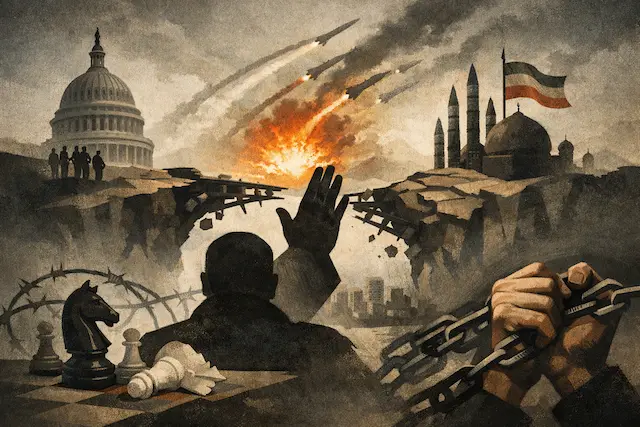
Ahmad Vahidi, commander of Iran’s Islamic Revolutionary Guard Corps and one of the regime’s most influential figures, was the driving force behind Tehran’s decision to fire ballistic missiles at Israel after months of calm, according to a Wall Street Journal report. The strike was meant not only as a military signal, but also as proof of the new balance of power in Tehran. Vahidi prevailed over more moderate officials who feared the attack would damage contacts with Washington and the chance of reaching an agreement.
He persuaded Iran’s Supreme National Security Council to back the launch, which triggered the first exchange of fire between Iran and Israel since the April ceasefire. The report says Vahidi is also pushing a hard line in talks with Washington, demanding the restoration of Iran’s military deterrence, protection of Hezbollah, and preservation of Tehran’s missile stockpiles and frozen funds.
Vahidi’s rise accelerated after he replaced Mohammad Pakpour, who was wounded in a military strike. He now commands 200,000 fighters, the regime’s most powerful armed force. A founding member of the Revolutionary Guard in 1979, he served as intelligence chief at age 23, established the Quds Force, and helped turn Hezbollah into a dominant force in Lebanon.
Since taking command of the Revolutionary Guard, Vahidi has shaped Iran’s military and political posture, including its conduct in the Strait of Hormuz and its dealings with Israel and the United States. Arab and Iranian sources say he has repeatedly sidelined President Masoud Pezeshkian and Foreign Minister Abbas Araghchi, setting wartime priorities himself and becoming the main barrier to a deal with the United States.
Mentioned
The same event, reported separately by each outlet. Open a few to compare what different newsrooms emphasize — and what they leave out.
Centre 3Right 2Haredi 1






Not the same event — other stories that share this one’s people, places, or theme: background, reactions, and follow-ups.