
Stray Dogs in Gaza Border Area Raise Fears for Wildlife, Farmers and Public Safety
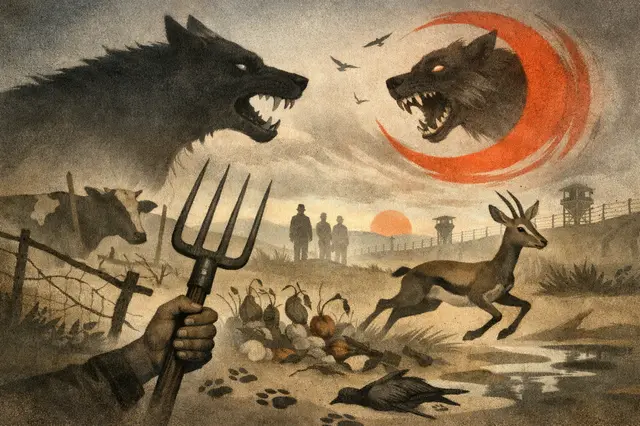
Stray dog packs in the Gaza border envelope have grown from a local nuisance into what officials describe as a ticking national emergency. Rangers and veterinarians say the animals are crossing from Gaza through gaps used by the military, learning to move through army and community checkpoints, and in some cases even startling soldiers along the security fence.
אשכול נגב מערבי ranger Meir Avitan said the dogs are damaging farms and attacking livestock and pets. “Some eat chickens, cows and residents’ dogs,” he said, adding that there are also bite incidents involving people out walking and that the dogs are now reaching newly established American bases, where “there are many dogs and no one to deal with them.”
Veterinary director Dr. Evgeny Komlev called the problem a “national challenge” that requires a systemic response, warning that strays threaten public safety, wildlife and agriculture and can multiply quickly. He noted concern about rabies, which has already reached 71 cases this year, and about the possible extinction of the Israeli gazelle. Research by Dr. Regev Manor and Prof. David Zalts across the area from Ashdod dunes to Nitzanim and Zikim found severe harm to young gazelles, many of which do not survive past six months because of dog hunts.
Prof. Dror Havilena, chief scientist at the Nature and Parks Authority, said that without intervention in places such as Nitzanim, the local gazelle population could have gone extinct. He said the key is to address the source, whether cross-border entry or abandoned pets, by strengthening fencing and public education. He also said the dogs feed mainly on trash, and waste has increased around the envelope, including on military bases. אשכול Nגב מערבי CEO Bela Alexandrov said the issue affects the whole regional ecosystem and can also disrupt security activity.
Local veterinarians and council leaders say they lack the budget and manpower to handle the crisis alone. In a formal letter to the Agriculture Ministry’s veterinary services chief, they said they cannot solve the problem with existing funding and urged direct ministry contracts with professional trappers, from planning through completion, without depending on regional veterinary supervision. Officials warned that if rabies spreads into nature reserves and the situation spirals further, mass poisonings could follow and devastate wildlife, taking Israel back to conditions reminiscent of the 1950s. The report was first published at 00:00 on 14 June 2026.



Ask About This Article
Duki reads it, and every newsroom on the same story, then answers with sources.