
Netanyahu Weighs Three Options as Likud Primaries Debate Intensifies
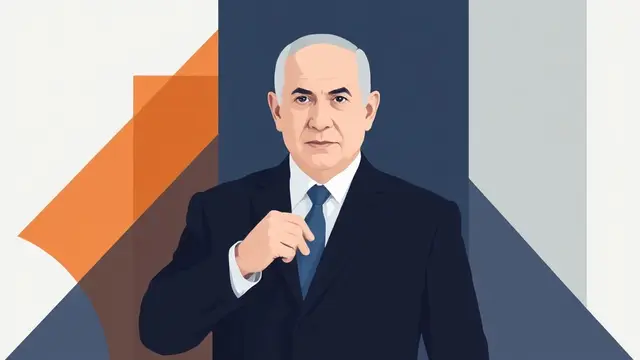
The debate over the Likud’s internal election system continues to shake the party’s leadership. According to people familiar with the details, Prime Minister and Likud chairman Benjamin Netanyahu is currently examining three main alternatives for determining the party’s list of candidates for the next Knesset. This was reported by Israel Hayom.
Under the first alternative, the primaries would be abolished entirely and a arrangements committee would be established, composed among others of local council heads affiliated with the party, which would be responsible for determining the composition of the slate. The second alternative would keep the primaries mechanism in place, but significantly expand the chairman’s authority to reserve spots on the list. The third alternative is to preserve the current situation and hold the primaries in their present format, without changes.
A senior Likud minister estimated that in the end the party will go to primaries, but Netanyahu will seek to increase the number of reserved slots at his disposal. “The grassroots will not easily give up its right to vote,” he said. On the other hand, other figures in the party argue that a substantial change in the makeup of the list is needed in order to strengthen the party ahead of the next election campaign. “The Likud must improve the quality of its candidate slate. Without significant personnel changes, the party could lose precious votes in the next election,” said a senior faction source.
At the same time as the political debate, a legal track is also underway on the issue. Likud comptroller Attorney Shai Galili drafted a preliminary legal opinion stating that canceling the primaries mechanism requires broad consent from party members. The draft also indicates that a significant expansion of the reserved-spots mechanism could face legal difficulties, and that it is not possible to reserve a candidate who did not first run through the regular selection process.
In parallel, the issue of subsidized party membership drives continues to stand in the background of the discussion, following earlier warnings from the State Comptroller on the matter. Figures in Likud warn that if the claims on the issue prove true, this could affect the results of the primaries and create new internal centers of power within the party. “If the concerns materialize, independent power groups could emerge inside Likud,” said one source. “This is a direct threat to the faction’s stability and to the party’s ability to form and manage a stable coalition.”
The same event, reported separately by each outlet. Open a few to compare what different newsrooms emphasize — and what they leave out.










Not the same event — other stories that share this one’s people, places, or theme: background, reactions, and follow-ups.