
IDF Prepares Withdrawal from Lebanon Pilot Zones Amid Concerns Over Lebanese Army's Hezbollah Readiness
Translated & summarized from Kan News by baba
The IDF is set to withdraw from pilot zones in Lebanon, handing over responsibility for remaining terrorist sites to the Lebanese army, amid Israeli concerns about the army's readiness to confront Hezbollah. The timing of the withdrawal remains undisclosed, and a recent large weapons smuggling attempt to Hezbollah was thwarted in Syria.
The story in 6 lines · by baba
- IDF is preparing to withdraw from Lebanon pilot zones as part of an agreement implementation.
- No IDF soldiers currently remain in the pilot areas in Lebanon.
- IDF will share intelligence on remaining terrorist infrastructure with the Lebanese army.
- The Lebanese army will be responsible for dismantling these terrorist sites.
- Israel is concerned about the Lebanese army's readiness to confront Hezbollah.
- A large weapons smuggling attempt to Hezbollah from Iraq was recently thwarted in Syria.
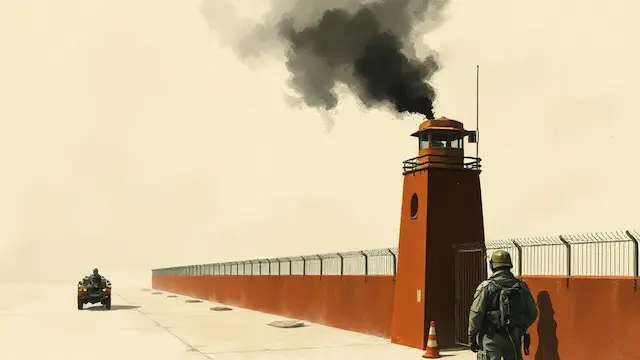
The Israel Defense Forces (IDF) are preparing for an imminent withdrawal from the pilot zones in Lebanon as part of the ongoing implementation of the agreement with Lebanon, according to a report on Friday evening by Kan News. Although the exact timing of the withdrawal has not been announced, IDF soldiers are no longer present in any of the pilot areas. As part of the negotiated process, the IDF will transfer specific intelligence regarding remaining terrorist infrastructure that has not yet been addressed. The Lebanese army will then be responsible for dismantling these sites. Sources indicate that the number of such infrastructures is very small.
In Israel, there is concern about whether the Lebanese army will be prepared and capable of confronting Hezbollah once the pilot phase begins. This question remains a significant point of uncertainty in the security establishment. Additionally, related news from Syria reports the prevention of a large-scale weapons smuggling operation from Iraq to Hezbollah in Lebanon. The article also references the current state of Hezbollah’s stronghold in southern Lebanon, 26 years after its establishment.
Mentioned

