
US Considers Major Military Operation Against Iran Amid Rising Tensions
Translated & summarized from Kikar HaShabbat by baba
The US is intensifying its military campaign against Iran, focusing on the Strait of Hormuz and considering a major operation on Kharg Island amid escalating attacks and threats from President Trump.
The story in 6 lines · by baba
- US focuses on regaining control of the strategic Strait of Hormuz amid conflict with Iran.
- President Trump considers a major assault on Kharg Island, Iran's main oil export terminal.
- US airstrikes have targeted deep inland Iranian infrastructure, including a railway bridge.
- Over 140 US military strikes occurred in three days following the collapse of a ceasefire.
- Trump threatens to destroy Iranian energy infrastructure if Iran refuses negotiations.
- Concerns rise over potential Iranian retaliation against Gulf neighbors' energy facilities.
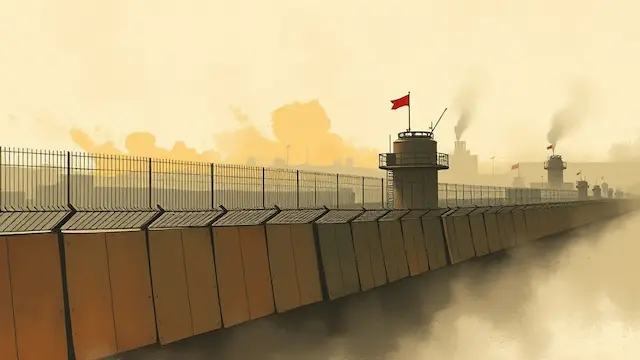
The United States is escalating its military campaign against Iran, focusing on regaining control over the strategic Strait of Hormuz, a vital shipping route for about 20% of the world's oil supply. According to a New York Times report, President Donald Trump is weighing a significant military operation, potentially targeting Iran's Kharg Island, the main oil export terminal, a move previously avoided due to concerns over Marine casualties. The US has intensified its efforts with a naval blockade and heavy airstrikes, including attacks deep inside Iran, such as a railway bridge about 1,100 kilometers from the maritime conflict zone. Captain Tim Hawkins of the US Central Command explained these strikes aim to disrupt Iran's military logistics and supply chains.
The conflict has intensified after a fragile 90-day ceasefire collapsed following Iranian attacks on civilian vessels in the Strait of Hormuz, including oil and natural gas tankers. In response, the US has launched over 140 military strikes in three days, targeting radar stations and fast boats. The US Navy currently operates more than 20 warships and hundreds of military aircraft across the Middle East, maintaining a high state of readiness. President Trump has threatened to destroy Iranian energy infrastructure and bridges if Tehran refuses to return to negotiations, emphasizing the closure of the Strait of Hormuz to Iranian vessels due to what he called Iran's "deceptive, violent, and malicious leadership."
Washington hopes that increased economic pressure from the naval blockade will collapse Iran's economy and force the regime back to the negotiating table. However, there is significant concern about Iran's potential asymmetric retaliation against oil and gas infrastructure in neighboring Gulf states such as Saudi Arabia, Kuwait, Qatar, and Bahrain. The situation remains volatile as the US contemplates whether to proceed with a large-scale assault on Kharg Island, which could mark a dramatic escalation in the conflict.
Mentioned
The same event, reported separately by each outlet. Open a few to compare what different newsrooms emphasize — and what they leave out.
Centre 3Right 1Haredi 2






Not the same event — other stories that share this one’s people, places, or theme: background, reactions, and follow-ups.
