
Another Blow to Starmer? UK Defence Secretary Resigns Abruptly, Blames the Prime Minister
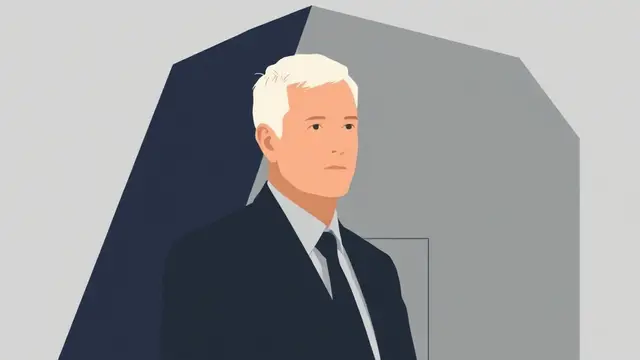
British Defence Secretary John Healey announced at midday on Thursday that he was resigning in a dramatic and unexpected move, citing the government’s unwillingness to spend enough on the defence budget at a time when the security threat to Britain is only growing. In his resignation letter to Prime Minister Keir Starmer, Healey directly accused him of failing to allocate the funding needed for the security establishment. His sudden departure is expected to deepen the turmoil around Starmer, who has already been facing mounting internal rebellion and calls for his removal in recent weeks.
In the resignation letter to Starmer, which Healey published on his X account, the outgoing defence secretary accused the prime minister of failing to secure the government resources needed to protect the country, and said the government’s defence investment plan “falls far short of what is needed in this dangerous period.” Healey wrote to Starmer: “You have failed, and the Treasury was not prepared, to allocate the resources the nation needs to defend the country in this time of rising threats. I now have no choice but to submit my resignation as your Defence Secretary.”
Healey’s resignation comes after months of talks between Britain’s Defence and Treasury departments over how to meet the growing need to increase defence spending, a dispute that has delayed Britain’s defence investment plan since last year. The delay has angered the British security establishment, which says it prevents long-term planning and investment at a time of dramatic geopolitical shifts and as the United States becomes less and less committed to defending Europe. Britain feels especially threatened by Russia, whose incursions into British territorial waters have become frequent in recent years.
Healey has served as Britain’s defence secretary since the Labour government was formed in July 2024, and is regarded as a serious and capable minister. Starmer has promised to raise defence spending to 2.5% of GDP by 2027 and to 3% by 2034, but many in the British security establishment say the increase is not fast enough. Healey’s resignation exposes how deep the crisis is at the heart of the government over how to increase security spending without taking money away from other promises Starmer has made.
Although Healey’s resignation appears to be for strictly professional reasons, it is hard to ignore the fact that it comes amid the internal rebellion against Starmer within Labour, which threatens his future in office. The rebellion erupted at the beginning of last month after the party’s crushing losses in local elections in England, Wales and Scotland, elections seen as a referendum on Starmer’s tenure, which began less than two years ago but now has his popularity at a low point after a long series of mistakes.
The local election defeat was seen by many in Labour as a warning sign ahead of the next general election, which polls predict will be won by Nigel Farage’s populist right-wing Reform UK party, which has made opposition to illegal immigration a central plank of its platform.
The Labour rebellion intensified after many in the party had already begun questioning Starmer’s judgment, following revelations that he had decided to appoint Peter Mandelson, a close friend of the billionaire pedophile Jeffrey Epstein, as Britain’s ambassador to Washington, even though he knew the two were friends. Not long afterward, when the full extent of the ties was revealed, Starmer was forced to dismiss Mandelson, and it later emerged that while serving as a minister, the ousted ambassador had passed Epstein internal financial information from the British government.
At least 90 lawmakers out of Labour’s 403 MPs called last month for Starmer to resign to allow a new leader from within the party to push through reforms that might save Labour in the next election. Among those calling for his departure was Health Secretary Wes Streeting, who said he no longer had confidence in Starmer’s leadership and intended to run for the party leadership if internal elections were held. The winner of such an election would automatically become prime minister, thanks to Labour’s overwhelming majority in Parliament.
In recent weeks Starmer has tried to head off the rebellion, warning that launching a leadership contest would plunge the party into chaos and badly damage its public standing and ability to govern. If a Labour leadership race does open, many senior figures are considering joining it, a scenario some in the British media describe as a “civil war.” So far, however, none has taken the formal step of calling for leadership elections, and a major hurdle remains: under party rules, a candidate seeking to launch such a process needs the support of one-fifth of the parliamentary party, meaning 81 lawmakers, and although more Labour MPs have called on Starmer to step down, they are split between different camps.
Starmer has challenged his rivals to try to begin a move to remove him, but several media outlets reported last month that he has sounded different in private conversations. The London Times reported that Starmer is now seriously considering announcing a “timetable” for his departure, and is furious about the “betrayal” he feels from his cabinet ministers, many of whom have not only failed to defend him but, according to reports, have called on him to resign. One minister, speaking anonymously to the paper, said: “The consensus in cabinet is that Starmer has to go, it is just a question of when and how. The local elections showed he has lost the country.”
The Telegraph also reported that Starmer is considering stepping down, though not immediately, and one minister described as loyal to the prime minister said that in private conversations Starmer sounds much less resolute than in his public statements. According to that minister, Starmer is keeping “all options open” and is now weighing the best path forward, with the aim of maintaining Britain’s stability at a sensitive international moment.
Starmer has two main rivals seeking to replace him as Labour leader and prime minister. The first is, as noted, outgoing Health Secretary Wes Streeting, who has formally said he will run if a leadership contest is opened. The second, and the most popular among senior Labour figures, is Greater Manchester Mayor Andy Burnham, who has held the post for nearly a decade, since 2017, and has been dubbed in the British media the “King of the North,” reflecting his past ability to confront the London government successfully and represent the interests of people in northern England.
The same event, reported separately by each outlet. Open a few to compare what different newsrooms emphasize — and what they leave out.



Not the same event — other stories that share this one’s people, places, or theme: background, reactions, and follow-ups.



Ask About This Article
Duki reads it, and every newsroom on the same story, then answers with sources.