
Swiss Expert Predicts Long-Term Strength for Israeli Shekel Amid Economic Shift
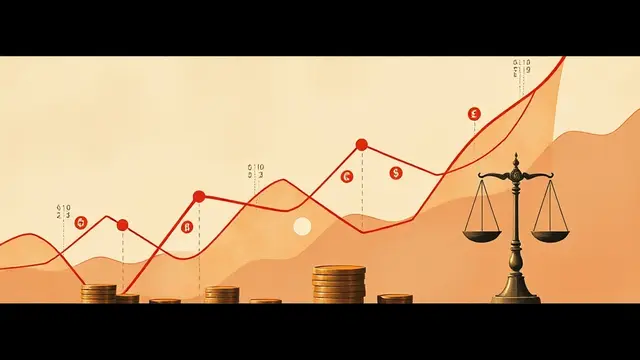
Costa Weinz, author of "The Swiss Franc 2055-1798" and chief investment officer at Zurich-based Genesis Asset Management, draws parallels between the Swiss franc and the Israeli shekel, forecasting sustained appreciation of the shekel. In an interview from Zurich, Weinz highlights Israel's economic transformation driven by its thriving high-tech and services sectors, likening it to Switzerland's historic success managing a strong currency despite challenges such as persistent trade surpluses.
Weinz's extensive research into the Swiss franc's history reveals it as one of the world's most successful currencies in preserving purchasing power since the late 18th century. He attributes Switzerland's monetary stability to its decentralized governance, political neutrality, and strong institutions that shield the currency from destructive inflation and political interference. The Swiss central bank has demonstrated readiness to implement aggressive monetary policies, including negative interest rates as high as 40%, to curb excessive currency appreciation.
Applying these lessons to Israel, Weinz argues that the current strengthening of the shekel is a sign of economic success but requires a shift in mindset. He urges Israeli policymakers, business leaders, and the central bank to collaborate on long-term strategies that embrace a strong shekel, low interest rates, and sustainable growth rather than short-term interventions. He emphasizes that a strong currency can reduce government borrowing costs and taxes, benefiting the broader economy.
Weinz acknowledges Israel's unique challenges, including ongoing conflict and limited governmental bandwidth, but stresses the importance of coordinated efforts to adapt Israel's business model to its new economic reality. He warns that relying solely on central bank interventions to weaken the shekel is politically divisive and unsustainable. Instead, Israel should focus on leveraging its competitive advantages in a digital and AI-driven global economy, similar to Switzerland's approach.
The article underscores the significance of Israel's large current account surplus and capital inflows, which are driving shekel appreciation. Weinz concludes that understanding and managing this dynamic is crucial for Israel's continued prosperity in a changing global economic landscape.
The same event, reported separately by each outlet. Open a few to compare what different newsrooms emphasize — and what they leave out.

Not the same event — other stories that share this one’s people, places, or theme: background, reactions, and follow-ups.


