
Why FIFA Rejected Haiti’s World Cup Jersey
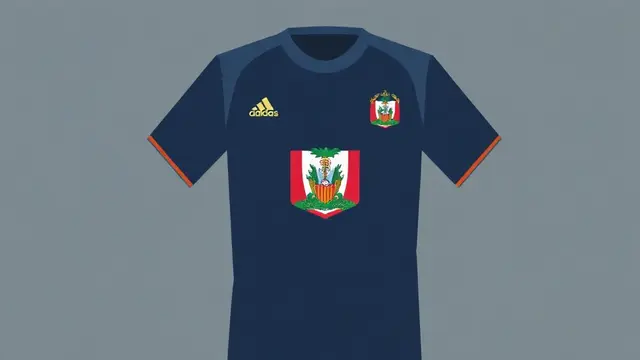
Just before the tournament, FIFA rejected Haiti’s national team shirt, saying the design carried a political message. Sports 5 reported that the explanation is below.
It is no secret that the 2026 World Cup will be the most political yet, and that is now reaching team kits as well. FIFA demanded that Haiti and its apparel company, Sata, make immediate changes to the official uniforms designed for the tournament. The reason for the rejection was a historical illustration on the shirt, which FIFA officials said had a prohibited political context.
The shirt featured graphics commemorating the Battle of Vertières in November 1803, the decisive battle that led to Haiti’s declaration of independence on January 1, 1804, and its becoming the world’s first Black republic. The design showed male and female fighters from that period raising the national flag, in an effort to pay tribute to Haiti’s liberators on the occasion of only its second-ever qualification for the final tournament.
FIFA told Haiti’s federation that displaying such national and historical elements on the kit violated the regulations banning political messages, and demanded that they be removed or changed so the team could wear them in matches. The apparel company will now have to present an alternative, updated design in line with the instructions.
Following the rejection, the Colombian apparel company Sata issued an official statement on social media, saying the design had no political intent and was simply a tribute to the country’s citizens.
At the same time, the issue went viral on social media because of a humorous conspiracy theory. Many users mistakenly claimed that the illustration on the shirt was actually meant to honor Poland, because of the involvement of Polish forces in Haiti’s war of independence in the 19th century. The confusion grew so much that the company’s executives had to give interviews to the Polish media and clarify that the design featured the blue and red colors of Haiti’s original flag, not Poland’s white and red flag.
2026 World Cup
The same event, reported separately by each outlet. Open a few to compare what different newsrooms emphasize — and what they leave out.

Not the same event — other stories that share this one’s people, places, or theme: background, reactions, and follow-ups.
