
Ukraine Strikes Russian Refineries Amid Fuel Shortages as Putin Acknowledges Crisis
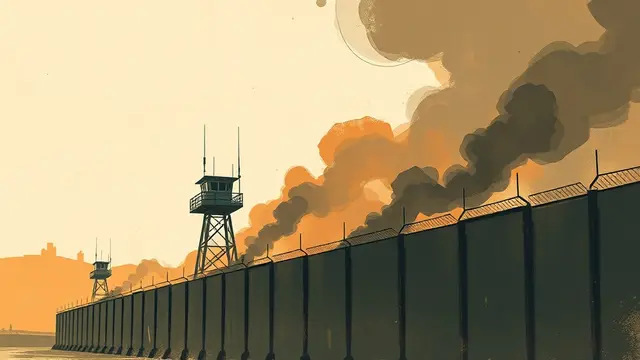
Ukraine has intensified drone attacks on Russia's energy infrastructure, targeting two major oil refineries overnight and igniting fires in southern and central Russia. These attacks come amid Moscow's growing fuel shortages, strict sales restrictions, and expanding export bans, highlighting increasing pressure on the Russian economy.
Russian authorities reported that intercepted drone debris caused a fire at a refinery in Slavyansk-na-Kubani, Krasnodar region, east of Crimea, resulting in one death and one injury in a nearby village. Concurrently, Ukrainian special forces confirmed an attack on the Yaroslavl refinery, one of Russia's five largest, supplying fuel to Moscow and the Central Federal District. Ukrainian President Volodymyr Zelensky declared both strikes successful.
The Russian Defense Ministry claimed it intercepted 213 Ukrainian drones overnight, while the Ukrainian Air Force reported Russia launched 142 drones and eight missiles at Ukraine. These recent attacks are part of Ukraine's ongoing campaign to disrupt Russia's fuel refining and distribution capabilities, which analysts estimate has reduced Russia's refining capacity by over 20% and cut oil product output by approximately 13% in May compared to last year.
The crisis is also affecting daily life in Russia, with dozens of regions facing fuel sales restrictions. In major cities like Moscow and Saint Petersburg, gasoline purchases are limited to about 20 liters per customer. Reports indicate that 55 to 56 Russian regions currently experience official or unofficial fuel supply shortages.
In response, President Vladimir Putin publicly acknowledged the difficult period during a ruling party conference, stating, "We are going through a hard time, but it has strengthened us." He affirmed Russia's ability to overcome challenges, including infrastructure damage. The Russian government has implemented strict measures such as banning gasoline exports since August 2025, jet fuel exports until November 2026, and is considering a diesel export ban. Emergency teams have been established to ensure fuel supply to affected areas, and fuel quality standards have been relaxed, allowing higher sulfur gasoline than European norms.
Despite these efforts, pressure on Russia's energy system appears to be mounting as Ukrainian attacks continue to target critical points, threatening a key pillar of the Russian economy.
The same event, reported separately by each outlet. Open a few to compare what different newsrooms emphasize — and what they leave out.



Not the same event — other stories that share this one’s people, places, or theme: background, reactions, and follow-ups.



Ask About This Article
Duki reads it, and every newsroom on the same story, then answers with sources.