
Naomi Shemer's Son Reflects on Her Legacy and His Evolving Views After October 7 Attacks
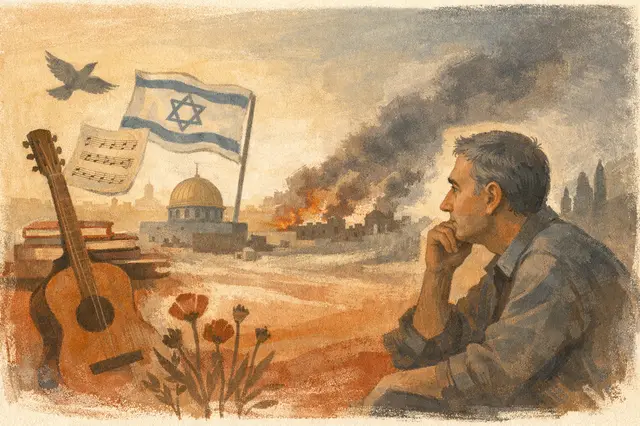
Ariel Horovitz, son of renowned Israeli songwriter Naomi Shemer, shared insights into his mother’s legacy and his personal journey in a recent interview on Channel 14. Horovitz described the deeply Jewish atmosphere of their home, which was not religious in the traditional sense but immersed in biblical texts, Jewish history, and a strong connection to the Land of Israel. He emphasized that Shemer’s work, including songs like "Yavne HaMikdash," reflected a vision of building an exemplary society in Israel rather than a messianic outlook.
Horovitz recounted the creation of the iconic song "Lu Yehi" during the Yom Kippur War, highlighting his parents’ commitment to expressing Jewish identity through music. He also shared a pivotal moment in Shemer’s life when she insisted on pursuing formal music studies despite opposition from her kibbutz, a decision that shaped her later work and demonstrated her personal courage.
The interview touched on Horovitz’s complex relationship with music, noting that he initially sought a conventional path before embracing his artistic talents after exposure to jazz in Canada. He praised his mother’s unique teaching style and her influence on his songwriting.
Addressing controversies surrounding Shemer in her later years, Horovitz rejected accusations of racism and claimed some quotes were taken out of context, attributing criticism to her outspoken support for settlement movements. Despite this, he noted that two decades after her death, she remains one of Israel’s most beloved and frequently played composers.
Horovitz also revealed the emotional final days of his mother, who faced illness with dignity and described her last words to him as feeling fortunate to have "given a day’s work." In recent years, he has embraced his heritage by creating a show based on her songs and composing a tribute titled "Not in Our Hands."
Finally, Horovitz discussed his political evolution, explaining that while he grew up in a right-wing household and identified as left-wing in youth, the events of October 7 led him to reject simple left-right labels. He now sees the Israeli-Palestinian conflict as complex, seeking peace but recognizing harsh realities and security challenges.



Ask About This Article
Duki reads it, and every newsroom on the same story, then answers with sources.