Exclusive: Braverman Denies Night Meeting Claims in Police Interrogation

New excerpts from the interrogation of Tzachi Braverman, former chief of staff to Prime Minister Benjamin Netanyahu and once slated to become ambassador to London, shed light on the so-called “night meeting” affair. According to the report, Braverman told investigators that Eli Feldstein, Netanyahu’s former spokesman, was “making up a theory” and that the meeting “never happened,” while also saying he could not remember what was discussed.
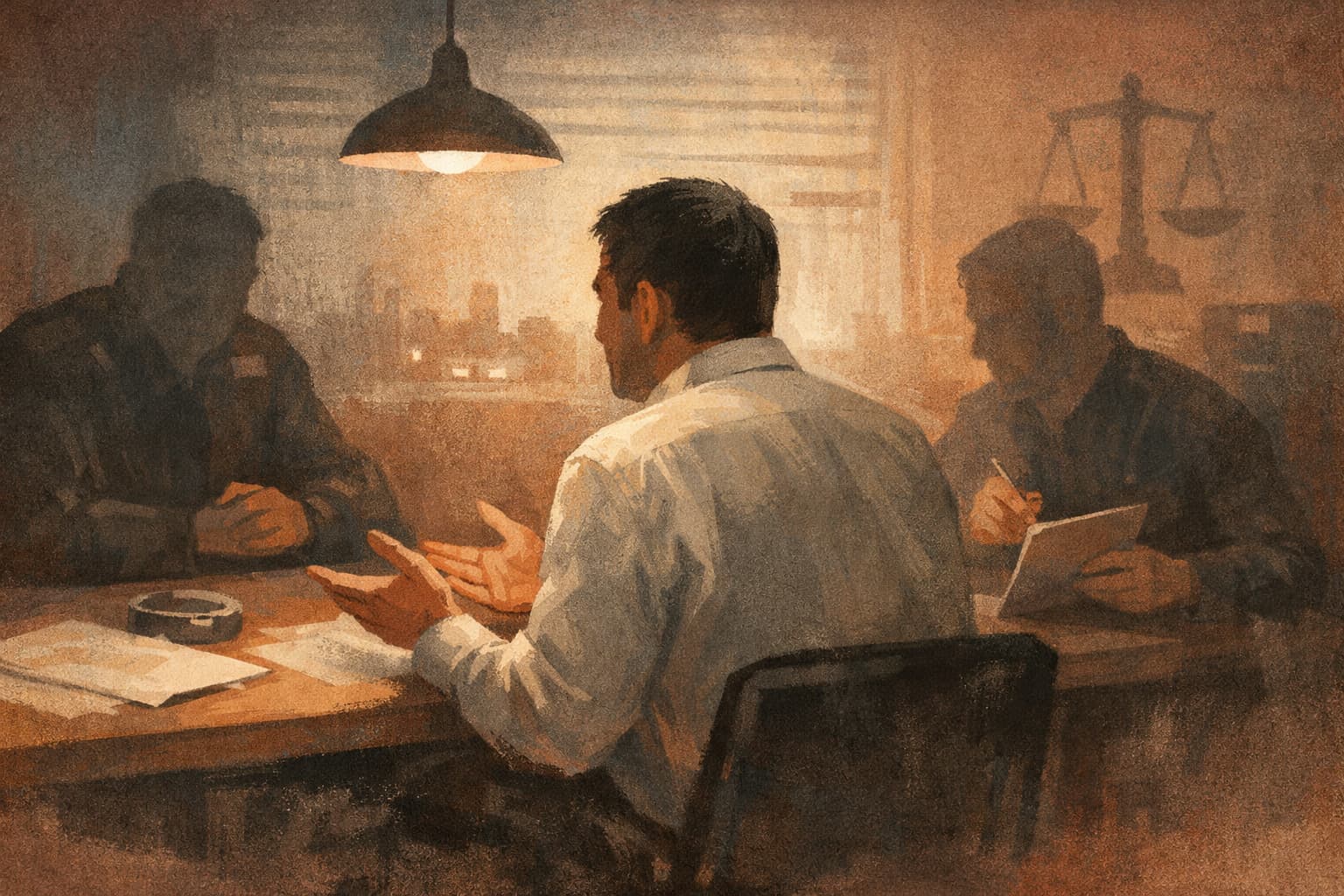
The questioning focused on a meeting in the Kirya parking lot in Tel Aviv, where Braverman allegedly met Feldstein. Feldstein’s version is that Braverman briefed him about an investigation opening in the “Bild” affair and even said he could shut it down. During the interrogation, the investigator pressed Braverman, saying Feldstein had worked closely with the staff and was connected to everyone, even to the point of being used in the middle of the night and having helicopters delayed for him. Braverman rejected that framing and repeated, “It never was and never happened, unequivocally, and I stand by that.”
When asked for a single consistent account of the meeting, Braverman said, “I can’t remember what I talked to him about, but what you are accusing me of was not said.” The investigator noted that in his earlier public response, Braverman had said the night meeting never took place at all, and asked him to explain the gap. Braverman replied that he did not know what his lawyer had released, insisted he had denied any connection, and said, “If it is on Channel 12, that is not a version I gave. It was distorted.”
The hearing follows a decision by the state prosecution about a month ago to move toward filing an indictment against Braverman, subject to a hearing. The Justice Ministry said the attorney general and the state prosecutor are considering charges of fraud and breach of trust, as well as obstruction of justice.
The same event, reported separately by each outlet. Open a few to compare what different newsrooms emphasize — and what they leave out.

Not the same event — other stories that share this one’s people, places, or theme: background, reactions, and follow-ups.
