
Toy Story 5 Becomes a Marketing Machine Aimed at Parents' Wallets
Toy Story 5 has taken in $312 million in ticket sales since opening last week, already approaching one third of the total revenue of Toy Story 4, which was released in 2019 and ultimately earned a little over $1.1 billion. The new film, first in the series since Pixar launched the franchise in theaters in 1995, is already among the most successful animated films ever at the box office, and estimates suggest it could surpass the fourth film’s earnings.
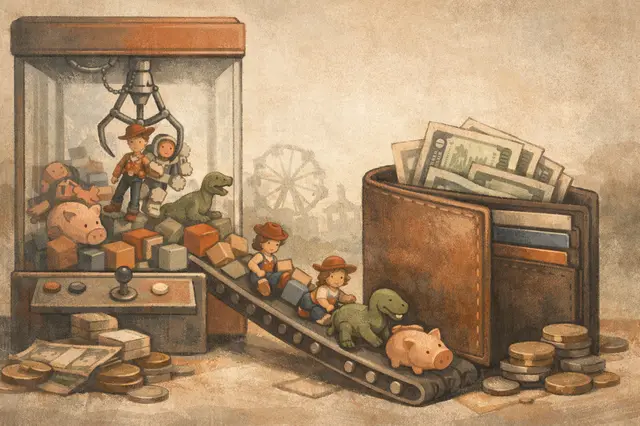
Beyond ticket sales, the article argues that Disney is using the franchise as a carefully designed retail engine aimed at millennial parents, not just children. In the new plot, Buzz Lightyear, Jessie and the rest of the toys face an enemy called Lilypad, a frog-like tablet that Bonnie wants instead of them. The story reflects a long-running shift to tablet play, but Disney is reviving it now to appeal to adults who grew up with the brand and are bringing their own children to the film.
Moti Azoulay, a doctoral student in management at the College of Management who studies consumer behavior and digital markets, said the movie is a “marketing honey trap” aimed directly at adults’ wallets. He said, “You are not paying for the shirt, you are paying for the trust you already had in the character at age six,” and added that retailers are already preparing capsule collections. According to him, the global licensing market is worth more than $389 billion a year, up 5.45% from 2024.
Azoulay said the appeal comes from nostalgia, emotional anchoring and “immediate gratification,” which make consumers value branded products more than their practical cost. He noted that in the U.S. and Europe, Disney stores already sell merchandise from a $12 keychain to a $700 Buzz Lightyear doll. In Israel, such capsule collections have not yet arrived, but he said local and international chains are already working on them. He also pointed to rising secondary-market prices for older Toy Story items, including a 1995 sticker album listed on Yad2 for 1,000 shekels and a card pack for about 220 shekels, and said licensed toy sales reached $46.4 billion in 2025, driven in part by “kidults.”




Ask About This Article
Duki reads it, and every newsroom on the same story, then answers with sources.