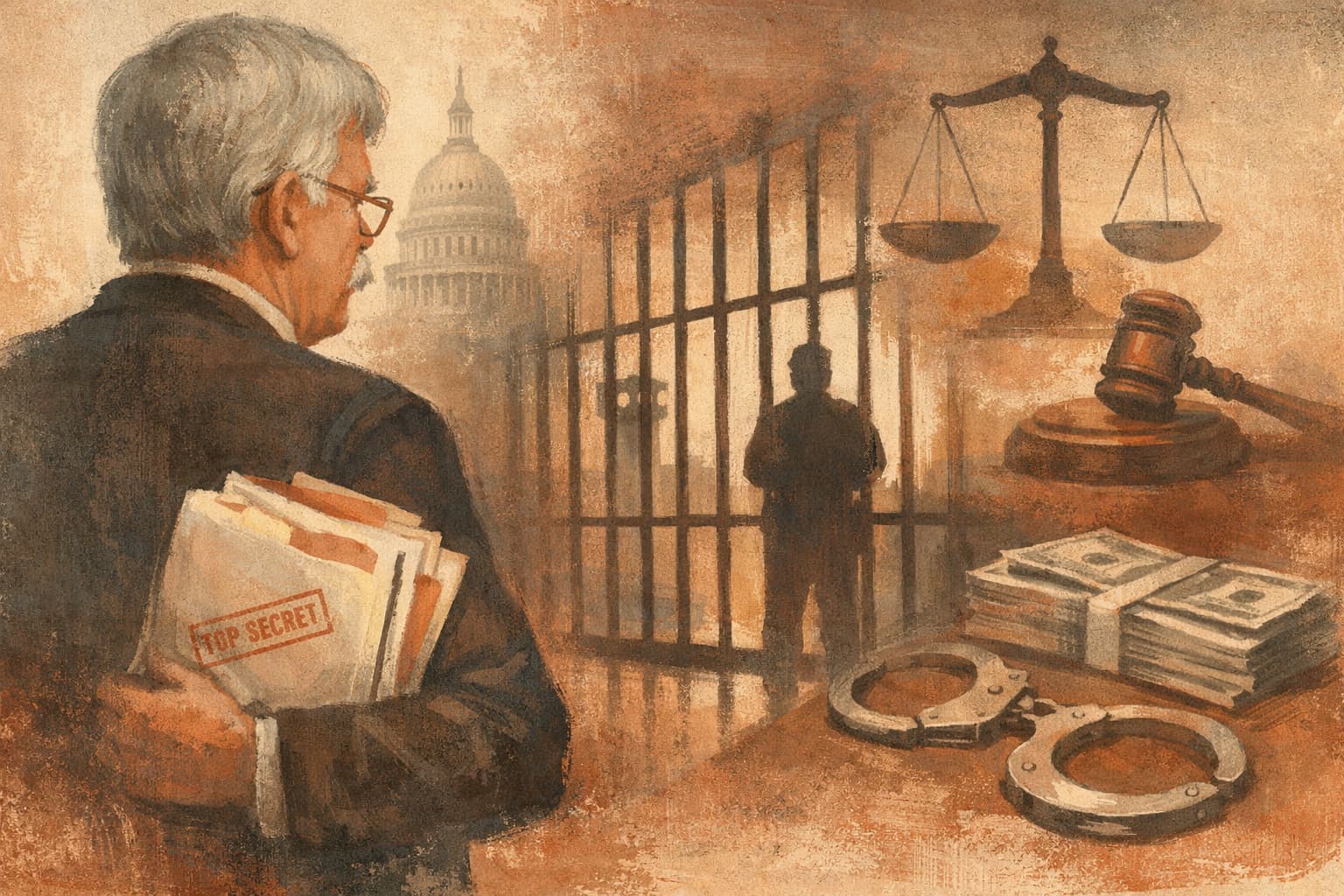
John Bolton admits keeping classified documents, faces possible prison term

John Bolton, the former U.S. national security adviser to Donald Trump, pleaded guilty on Friday in federal court in Maryland to one felony count of retaining national defense information. The 77-year-old admitted the charge after the Justice Department accused him of keeping classified material after leaving the White House and using it while writing a critical book about his time in the Trump administration.
Prosecutors said Bolton also used private accounts to share classified information with family members who were not authorized to see it. One of those accounts, an personal email account, was later hacked by a cyber actor believed to be working for Iran. The indictment said the material included Top Secret and SCI, highly sensitive intelligence, covering foreign military operational plans, covert U.S. government actions in other countries, and intelligence on rival leaders obtained from agents and communications intercepts.
Bolton told the judge, "Yes, Your Honor, and I am sorry." Part of the hearing was held behind closed doors for national security reasons. Under the plea deal, his sentencing is set for October 28, and he agreed to pay a $2.25 million fine. His conviction will also bar him and his family from receiving a federal pension.
Bolton served as national security adviser from April 2018 to September 2019 and later became one of Trump’s harshest critics. He was indicted last October on 18 counts related to transmitting and retaining classified information, but the remaining charges will be dropped as part of the agreement. The Justice Department searched his Maryland home and his Washington office in August last year during the investigation. He is one of three prominent Trump rivals charged federally since Trump returned to the White House in January 2025, alongside former FBI director James Comey and New York Attorney General Letitia James, both of whom say the cases are politically motivated and deny wrongdoing.
The same event, reported separately by each outlet. Open a few to compare what different newsrooms emphasize — and what they leave out.


Not the same event — other stories that share this one’s people, places, or theme: background, reactions, and follow-ups.


