
Prosecutors Tried Over 10 Times to Get Netanyahu's Testimony in Classified Documents Case
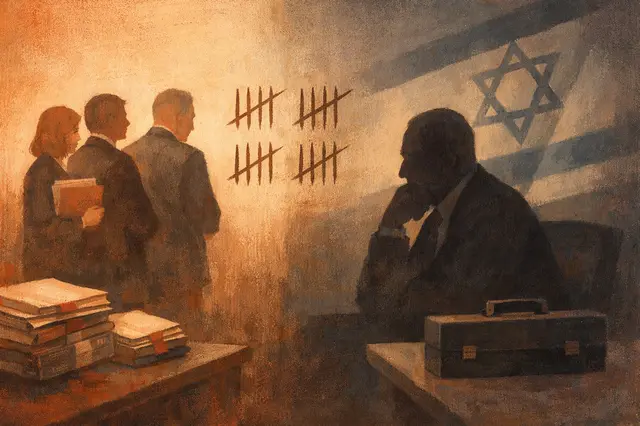
Prosecutors tried at least 10 times in less than two months to arrange an open testimony from Prime Minister Benjamin Netanyahu in the classified documents, or “Bildir,” case, but every attempt failed. According to the report, a prosecutor later wrote to Netanyahu through his aides, “We view this conduct as your refusal to give testimony.” If Netanyahu eventually testifies, the article says, that statement would carry less legal weight than a regular witness testimony.
The disclosure follows an earlier Channel 12 report that former Shin Bet chief Ronen Bar said he informed Netanyahu about the investigation in its early stages. The report adds that Netanyahu and his office were updated shortly after the arrest of his former spokesman, Eli Feldstein, even though the case was under a full gag order and only a very small circle knew the details.
The article also says that close Netanyahu associate Yonatan Urich is suspected of wiping the contents of his mobile phone within a day of Feldstein’s arrest. Urich has said he regularly deletes his phone and did not know about Feldstein’s arrest, but Bar’s testimony is said to contradict that claim because Netanyahu’s office already knew by then.
The first attempt to summon Netanyahu came on February 26, two days before Operation “Roar of the Lion” began. Prosecutors spoke with former adviser Ziv Agmon, who said they should talk again on Sunday, but the war broke out on Saturday. During the war, prosecutors tried twice more on March 1 and March 9, then paused because of the circumstances. After the war, they made at least seven additional attempts by WhatsApp and recorded calls. The article says Attorney General Gali Baharav-Miara also approved an open testimony for Netanyahu, and that he may be avoiding testimony either to avoid incriminating an aide or to wait until the evidence is in front of him.
The same event, reported separately by each outlet. Open a few to compare what different newsrooms emphasize — and what they leave out.

Not the same event — other stories that share this one’s people, places, or theme: background, reactions, and follow-ups.



Ask About This Article
Duki reads it, and every newsroom on the same story, then answers with sources.