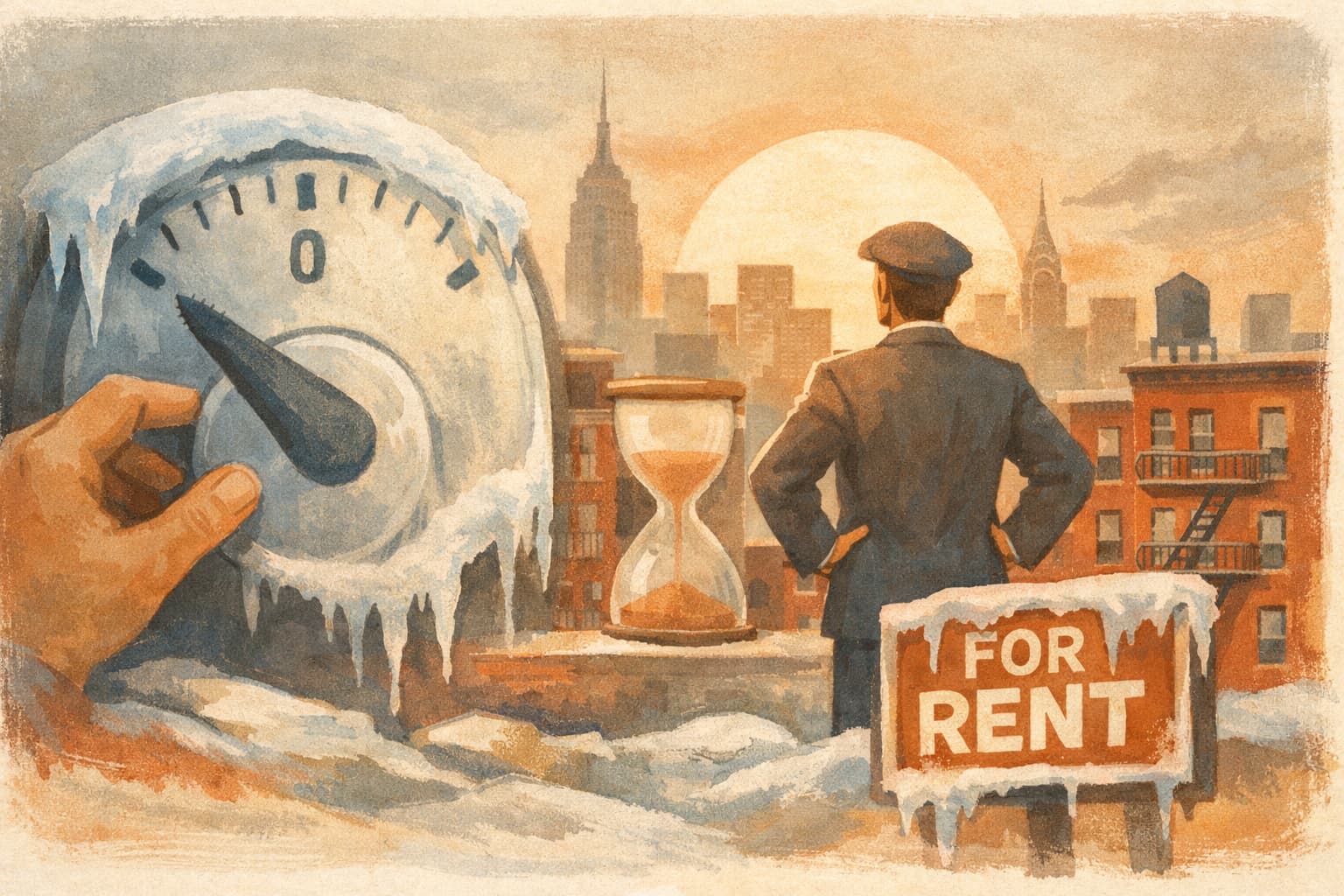
New York Rent Board Freezes Controlled Rents for Up to Two Years in Mamdani Win

New York’s Rent Guidelines Board voted 7 to 1 on Thursday to freeze rent increases for about one million regulated apartments in the city for up to two years. The decision fulfills a central campaign promise of Mayor Zohran Mamdani only months into his term, and the freeze will set allowed increases on one- and two-year lease renewals at 0% beginning in October.
Hundreds of tenants packed a lecture hall at a Manhattan museum and cheered and whistled when the vote was announced. Mamdani called it “a historic victory for New York City tenants” and said, “This is the relief that working people across our city deserve.” The regulated housing stock affects roughly a quarter of New York residents.
The annual vote determines how much landlords may raise rents on so-called rent-stabilized apartments. The board considers wages, inflation, maintenance costs, taxes and landlords’ revenues. A 2025 board study put average rent in a regulated apartment at $1,599 a month, compared with a median new-market rent of $3,950, according to StreetEasy.
Mamdani, a democratic socialist who pledged to make the city more affordable, has appointed six of the board’s nine members since taking office in January. Hours before Thursday’s vote, Christina Smith, a landlord representative and appointee of the previous mayor, resigned and accused the board of bias, saying, “The board that was rebuilt was required to deliver a rent freeze. Everything since then has been theater.” Board chair Shola Mitchell, a Mamdani appointee, rejected that claim and said members and staff act independently and with integrity. Tenant groups had pushed for a freeze or even a cut, while landlord groups warned it would hurt building maintenance and force some owners to raise market-rate rents to offset losses. The vote caps a strong week for Mamdani, who also celebrated victories by three left-wing candidates in Democratic congressional primary contests in New York.
The same event, reported separately by each outlet. Open a few to compare what different newsrooms emphasize — and what they leave out.


Not the same event — other stories that share this one’s people, places, or theme: background, reactions, and follow-ups.


