
Heatwaves Are Emerging as a Serious Health Threat, Not Just a Summer Nuisance
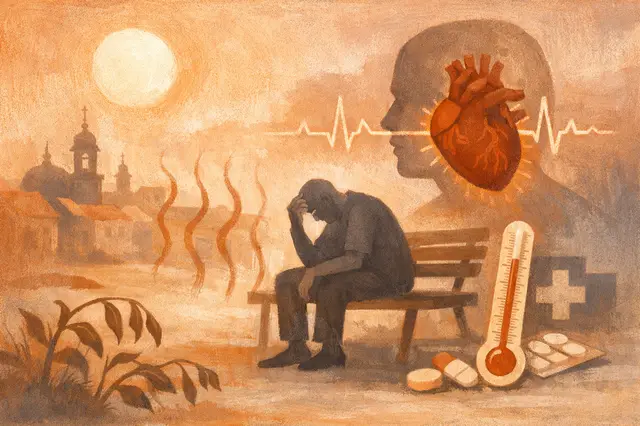
Europe has been hit in recent weeks by unusually intense heatwaves, with temperature records falling country by country. The article argues that extreme heat is not only uncomfortable or dangerous because of dehydration and heatstroke, but may also affect the body in deeper ways, including cardiovascular health and even biological processes linked to aging.
The human body is built to keep its internal temperature stable, but when outside heat rises it must work harder through sweating and blood vessel expansion. That ability weakens with age, as thirst signals become less effective and heat dispersal less efficient. Chronic illness and some medicines, including diuretics, can make heat stress harder to handle. A systematic review and meta-analysis published in Lancet Planetary Health found that heat exposure is associated with higher cardiovascular illness and mortality, especially among older adults, and other studies show that the longer and more severe a heatwave is, the greater the death risk.
A 2025 study in Science Advances, based on more than 3,600 adults in the United States, found that prolonged exposure to extreme heat was linked to faster biological aging measured by DNA methylation, or “epigenetic clocks.” People living in hotter areas appeared biologically older than peers with less heat exposure. According to the findings, residents of places with extreme heat for about half the year aged biologically by as much as 14 months more than those in cooler regions.
The study is observational and does not prove cause and effect, but it adds to evidence that heat may influence not only short-term health but also core aging mechanisms. The article says extreme heat can increase inflammation, strain the heart and blood vessels, reduce sleep quality and affect cellular processes central to aging. In the era of climate change, protection from heat is presented as part of long-term preventive medicine, alongside hydration, avoiding exertion during hot hours, keeping homes and bedrooms cool, and giving special attention to older people and those with chronic diseases. The piece is attributed to Prof. Tzipi Strauss, founder and director of the Longevity Center at Sheba Medical Center.
The same event, reported separately by each outlet. Open a few to compare what different newsrooms emphasize — and what they leave out.

Not the same event — other stories that share this one’s people, places, or theme: background, reactions, and follow-ups.



Ask About This Article
Duki reads it, and every newsroom on the same story, then answers with sources.