Rabbi Shares How He Chose His Son’s Happiness Over Community Expectations

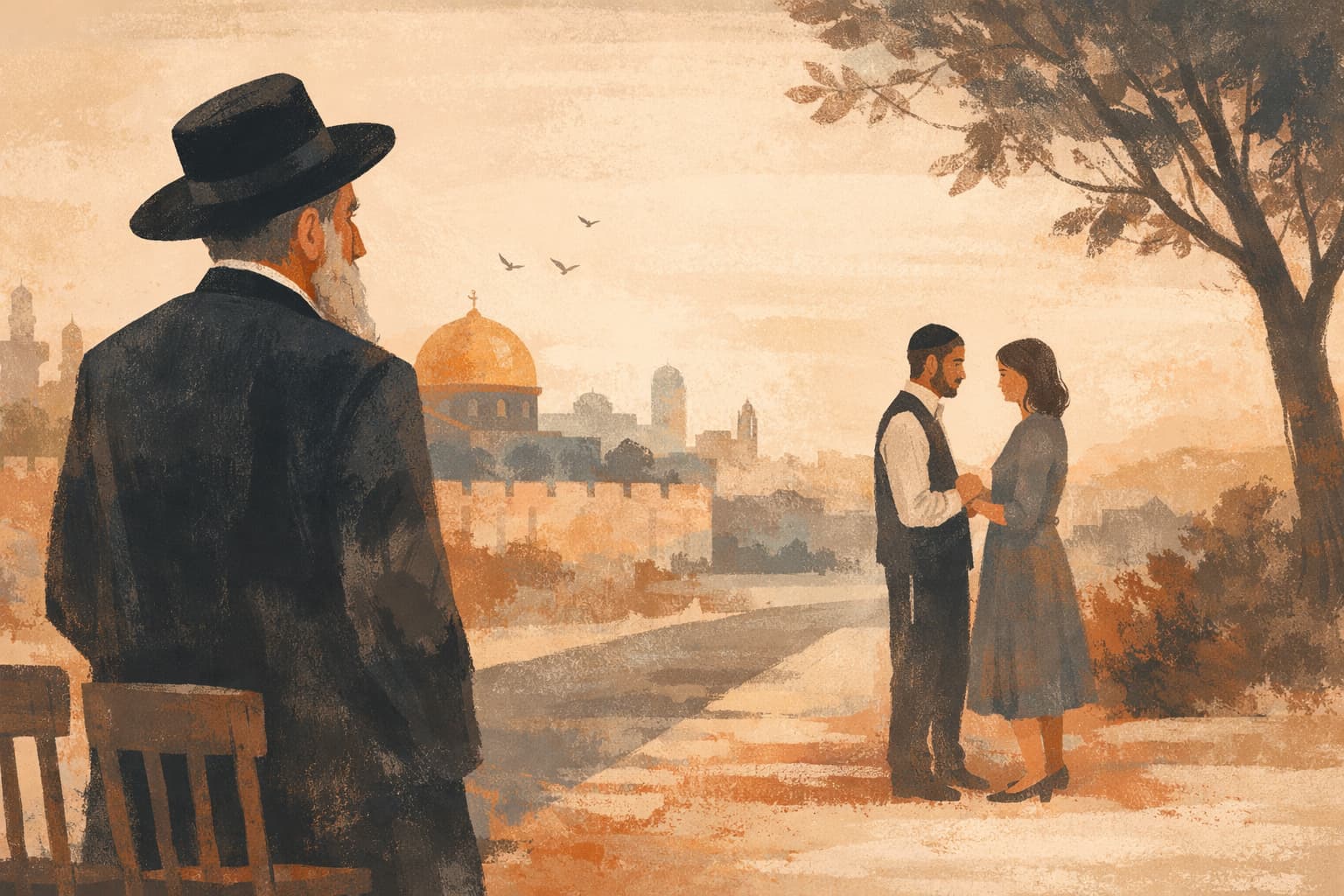
Moshe Mordechai, a 68-year-old community rabbi from Jerusalem’s ultra-Orthodox old Yishuv circle, says he spent years living by strict family and communal norms. He and his wife, Malka Rivka, raised 10 children and now have 55 grandchildren and four great-grandchildren.
The story centers on their son, Shalom Aharon. As a young man, he asked to move to a prestigious Lithuanian yeshiva that was less rigid than the one his family expected. Mordechai initially wanted to refuse, fearing what the community would say, but reconsidered and gave him his blessing. Shalom Aharon thrived there.
Later, during shidduchim, Shalom Aharon chose a bride named Bina, a God-fearing woman with good character but a more modern background. Her clothing, style, and family customs were different from the rabbi’s community, including the use of wigs, shorter skirts by their standards, and video at celebrations. At the engagement and wedding, dozens of the rabbi’s students and community members were present, while he worried about how the match would look publicly.
The turning point came during the couple’s first Shabbat visits. Mordechai saw his daughters whispering and judging Bina’s appearance, and realized the tension could damage family harmony and, more seriously, Shalom Aharon’s home. After Shabbat, he gathered the family for Melaveh Malka and told them that Shalom Aharon was no different from the others, that Bina was now his daughter, and that their happiness mattered more than his public image. He added, in Yiddish, “If the Holy One is ready to erase His great name for peace at home, who am I?”
He says the family accepted the message, Bina became fully embraced, and the couple now live happily with four children. Mordechai says mutual respect followed the acceptance, and he thanks God for the moment that, in his words, prevented lasting harm to the marriage and family.
