
IDF Encircles Hezbollah Fighters Trapped in South Lebanon Tunnel Network
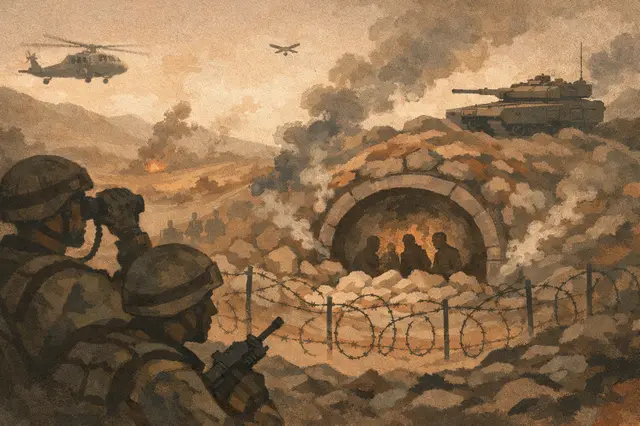
Dozens of Hezbollah operatives, including Radwan Force members, are trapped in a sprawling tunnel system in the Ali Tahar ridge in southern Lebanon after the IDF seized and sealed the entrances, according to a report by mako. The encirclement began after intelligence and operational activity by the IDF’s 36th Division surprised the fighters and drove them deeper underground.
Since the tunnel complex was blocked, several mediators have approached Israel seeking safe passage for the trapped militants. Israel rejected those appeals and made its position clear: the only option is surrender. The IDF sees the standoff as operationally significant and potentially a model for dealing with Hezbollah’s tunnel network in southern Lebanon, turning the group’s underground advantage into a weakness and forcing the fighters to choose between emerging with hands raised or remaining inside.
The trapped militants, located in the Kafr Tabnit area, have not come out, even though surrender is possible under the ceasefire arrangements. Israeli military assessments say Hezbollah’s tunnel system may allow much longer underground endurance than in other combat arenas.
Alongside the tactical success, the IDF has raised its alert level over fears of retaliation or a rescue attempt by Hezbollah. The main concern is a kidnapping attack on soldiers to create leverage for freeing the trapped fighters. As a result, instructions to troops in southern Lebanon were tightened and coordination with the Air Force increased to enable a rapid response to any attack or abduction attempt.
Meanwhile, amid the regional diplomatic contacts, Lebanese commanders are reportedly preparing for a partial withdrawal. A senior American official told Reuters that the IDF has pulled out of part of the security zone in southern Lebanon and that the Lebanese Army is expected to take its place. Israel says its policy will not change as long as the siege continues, the trapped fighters must surrender, and the IDF will keep operational control over the tunnel entrances.


Ask About This Article
Duki reads it, and every newsroom on the same story, then answers with sources.