
U.S.-Iran talks in Switzerland produce ceasefire framework, Hormuz pledge and Lebanon dispute mechanism
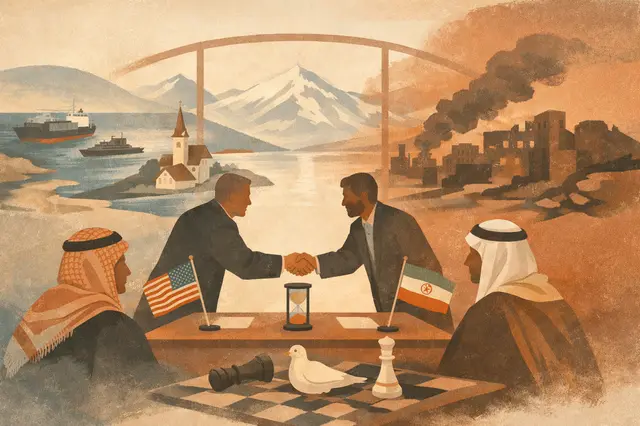
After 18 hours of negotiations between Iran and the United States in Switzerland, Vice President J.D. Vance said the goal was to create a mechanism to keep the Strait of Hormuz open. “It is open, oil ships are flowing,” he said, adding that Washington also wanted a coordination system in Lebanon so the sides could communicate if there is shooting between Hezbollah and Israel and try to stop it.
Pakistani Prime Minister Shehbaz Sharif said on X that the overnight round of talks had taken place in a “positive and constructive atmosphere” and had produced “encouraging progress.” He said the sides agreed on a roadmap toward a final deal within 60 days, the creation of a higher committee for political oversight, and the start of additional technical talks. Sharif praised the U.S. and Iran, thanked “brotherly and friendly” countries for their support, and singled out Qatar for helping create the conditions for progress, while saying Pakistan would continue to promote dialogue and diplomacy.
Shortly before that, President Donald Trump wrote on Truth Social that there would be no tolls in the Strait of Hormuz during the 60-day ceasefire, and none afterward unless the sides decide to impose tolls on the United States if the deal is not completed. The first round of talks ended after reports that the Iranian delegation had left following Trump’s remarks.
Despite that, Qatar and Pakistan announced “encouraging progress” and the establishment of a “conflict-prevention cell in Lebanon,” without Israeli representation. Their joint statement said the talks were positive and constructive, and that the Lebanon mechanism is meant to ensure compliance with the halt in military activity there under the memorandum of understanding. It also said the process will include further technical talks, a higher committee for political supervision, regular reporting by senior representatives, working groups on nuclear and sanctions issues, and another group to monitor and resolve disputes.
Iranian Foreign Minister Abbas Araghchi later wrote on X that Pakistan and Qatar’s mediation had led to major progress toward ending the war in Lebanon. He said sanctions on oil and petrochemical exports had been suspended, the naval blockade lifted, some frozen assets released, and a large economic reconstruction and development plan for Iran put into effect, calling the first real test the conflict-prevention unit in Lebanon.
The same event, reported separately by each outlet. Open a few to compare what different newsrooms emphasize — and what they leave out.









Not the same event — other stories that share this one’s people, places, or theme: background, reactions, and follow-ups.

