
Starmer quits after Labour's historic win unravels into political crisis
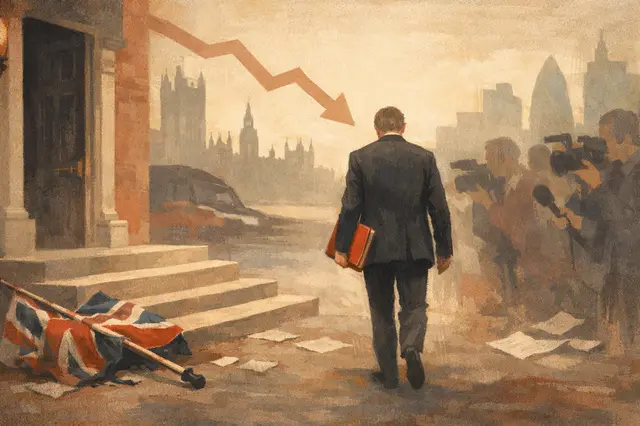
British Prime Minister Keir Starmer announced his resignation on Monday, becoming the sixth UK prime minister to leave office in the past 10 years. His exit follows months of intense political pressure, intensified by Andy Burnham’s landslide win in the Midfield by-election, which made Burnham the leading contender to replace him.
Although Labour won a historic victory in July 2024, Starmer’s tenure quickly came to be seen as a failure in governing. Critics described him as a dull technocrat who lacked charisma, failed to connect with voters and MPs, and could not give Britain a clear direction, especially as Reform UK and Nigel Farage gained strength on the right.
The turning point came in the local elections in May 2026, when Reform UK scored major gains and Labour lost more than 1,400 council seats across the country. That result reflected deep public frustration over Starmer’s leadership, his economic policy, and his handling of immigration. The article says he was unable to curb illegal immigration or improve an economy weakened by Brexit and the coronavirus pandemic, which helped drive up government bond yields and erode the pound.
Reports of plotting against him were accompanied by ministerial resignations and growing pressure from Labour MPs, who saw him as an electoral liability. The resignation is framed as an attempt to save the party from a broader collapse in the next general election, after what the article calls a superficial victory that produced the most unpopular government in British history. Starmer’s departure, it concludes, underscores that technocracy cannot replace clear leadership, charisma, and ideology.
The same event, reported separately by each outlet. Open a few to compare what different newsrooms emphasize — and what they leave out.













Not the same event — other stories that share this one’s people, places, or theme: background, reactions, and follow-ups.
Ask About This Article
Duki reads it, and every newsroom on the same story, then answers with sources.