
Hapoel Tel Aviv Faces Fan Revolt Amid Title Push
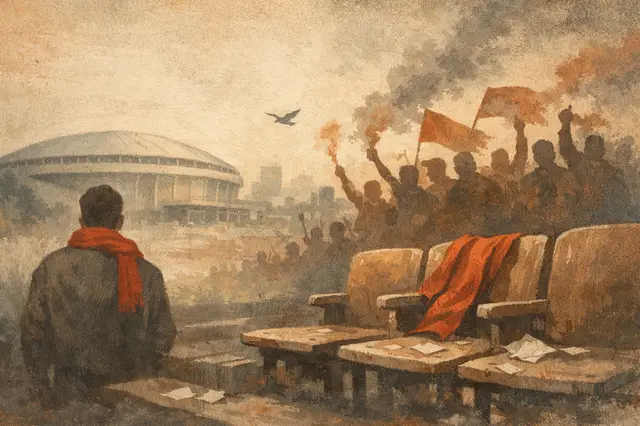
Hapoel Tel Aviv enters the Israeli basketball playoff final against Maccabi Tel Aviv, a best-of-five derby series, with a record budget of more than 160 million shekels and a 1-0 deficit after the first game. Game 2 was set for Thursday at 8:50 p.m., and unlike in past seasons, the club was worried about empty red seats rather than a ticket frenzy. Outside the arena, police, mounted officers and security were deployed for rival fan marches, while inside the atmosphere was expected to be full and loud.
The core problem is the widening split between the club and many supporters, especially over owner Ofer Yannay. Fan Yossi Shturm said he did not renew his season ticket because he felt emotionally detached, arguing that “everything has become Maccabi, except the color and the badge.” He said the club lost its atmosphere, songs and communal feeling, and insisted the product was “basically dead.” He and others blamed Yannay for treating the club like a business and expecting trophies to bring in a new crowd.
The dispute intensified after the move to Menora Mivtachim Arena, which many fans see as Maccabi’s home court and a painful symbol of defeats. Hapoel has about 4,000 season-ticket holders now, far below the more than 8,000 the club had hoped for after investing heavily in the roster and staff, winning the EuroCup and joining the EuroLeague. The contrast with last season is stark: against Hapoel Jerusalem in the semifinals, attendance fell from more than 9,000 in the first game and a sold-out 10,000-plus in the third game to only 4,182 in the current series.
Some fans also object to the reduced role of Israeli players in EuroLeague games, while others say the main issue is the decline in atmosphere after the Ultras’ boycott. Veteran supporter Zalman Al-Ani said he supports Hapoel no matter what, but wants more Israeli minutes and no limit on attendance, even if that means staying at Menora. His son Idan said the family has argued daily, adding that “we lost our identity” when the Israeli players were sidelined. He and other fans also accused Yannay of putting himself at the center through social media posts, including criticism of a team performance as “soft,” and of creating a deep trust crisis after promised improvements to Drive-In Arena never materialized.
Hapoel can still win its first league title since 1969, but fans say any championship would feel incomplete without the full crowd and expected citywide celebrations. The club and Yannay did not respond.
The same event, reported separately by each outlet. Open a few to compare what different newsrooms emphasize — and what they leave out.



Not the same event — other stories that share this one’s people, places, or theme: background, reactions, and follow-ups.