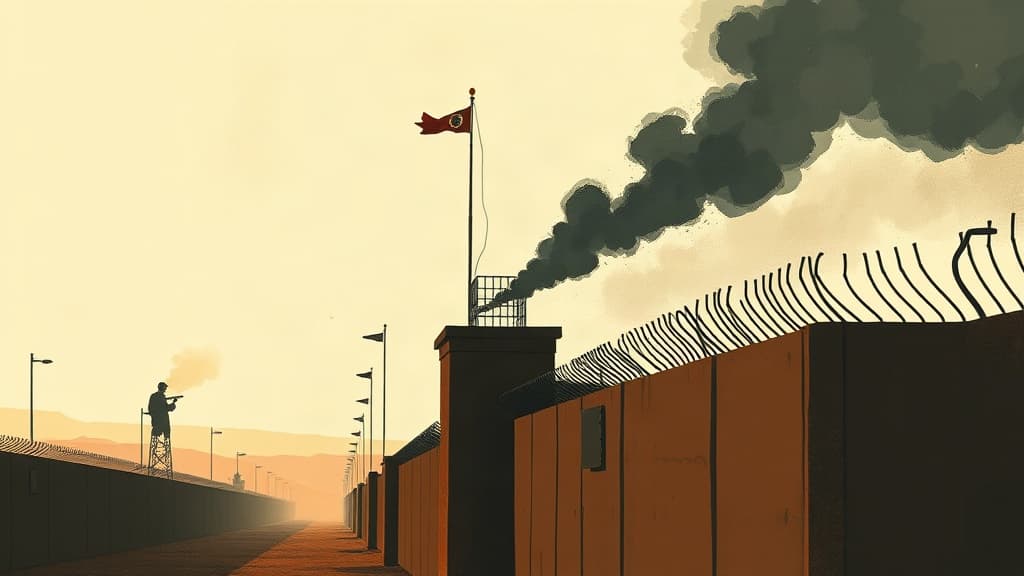
IDF Chief Warns Budget Shortfall Threatens Military Readiness Amid Regional Tensions

IDF Chief of Staff Lieutenant General Eyal Zamir issued a rare warning during a morning situation assessment on Thursday, highlighting the army's financial struggles. Zamir stated that while the IDF is stretched across multiple fronts, including Iran, Lebanon, and Gaza, it is simultaneously facing a "empty treasury" due to ongoing budget disputes. He emphasized that this financial strain harms the IDF's operational readiness and placed responsibility on the Finance Ministry to resolve the issue.
The warning coincides with a delayed government meeting originally scheduled for Wednesday, where officials were expected to approve an emergency budget increase for defense. The proposed budget expansion, estimated in the tens of billions of shekels, aims to secure immediate procurement of critical military equipment such as tank shells, artillery rounds, and precision munitions, as well as air defense interceptors. This follows concerns from the defense establishment that production lines at defense companies will halt next month without swift budget approval.
Currently, the defense budget stands at approximately 158 billion shekels, nearly triple the pre-war amount, after previous increments during the "Lion's Roar" operation and other escalations. Despite this, the defense sector claims the funds remain insufficient to meet the cabinet's demands and the army's multifaceted missions, including maintaining security zones in Syria, Lebanon, and Gaza, alongside preparations for potential conflict with Iran.
Legal and political hurdles complicate the budget revision amid an election period, with the government legal advisor reviewing the possibility of approving a revised budget now. If permitted, a special Knesset session could be convened for a vote. Some government officials argue that increasing the budget will not worsen the deficit due to unexpectedly strong tax revenues and economic growth, but the added defense spending commits future governments to cover the resulting fiscal gap, potentially through cuts or tax hikes.
The three-year budget plan published in June forecasted a 3.4% GDP deficit next year, but the defense ministry's contract commitments already exceed this baseline by billions. Rating agencies and the IMF have warned that further budget increases could negatively impact Israel's economic outlook in global markets. The IDF Chief's statement underscores the urgent need to resolve budget issues to maintain military readiness amid heightened regional threats.
The same event, reported separately by each outlet. Open a few to compare what different newsrooms emphasize — and what they leave out.




Not the same event — other stories that share this one’s people, places, or theme: background, reactions, and follow-ups.


