
Victory’s Earnings Spike Traced to Gaza Sales, Regulator Says
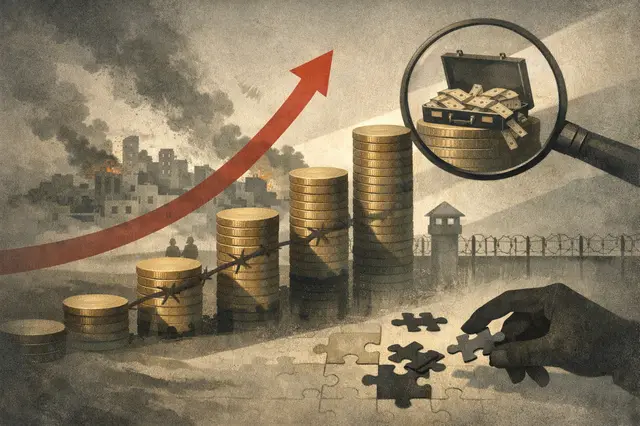
Israel’s Securities Authority ordered the food retailer Victory and its owner and CEO, Eyal Rabid, to publish a supplementary financial report after the company’s first-quarter 2026 results appeared to surge without full disclosure of the reasons. The regulator said investors were not told clearly enough that sales linked to Gaza were a major driver of the jump.
In the supplemental filing, Victory disclosed that 99 million shekels of the 152 million shekel increase in quarterly sales came from sales to residents of Gaza. The company’s original report had cited three growth drivers, adding electrical appliances to its assortment, a 25% rise in sales, including 23% in same-store sales, and sales to Gaza, but did not spell out how significant the Gaza business had become.
According to the updated report, humanitarian aid deliveries to Gaza, in which Victory served as an approved supplier for the Defense Ministry, accounted for about two-thirds of the unusual improvement in results. The company said the Gaza sales were booked through its stores, which also explains the sharp same-store sales increase. By comparison, Rami Levy Shivuk, which was also recognized as a supplier, chose not to sell to Gaza.
Excluding Gaza revenues, Victory’s organic growth was only 6%. Part of that came from the timing of Passover, which fell in the first quarter this year instead of the second quarter in 2025, and part from higher demand tied to another round of fighting with Iran, electrical appliance promotions, and broad price increases. The company now faces a question over continuity, because since the first quarter the Defense Ministry has reduced the share of Israeli suppliers in favor of international aid groups, which may mean Gaza-related revenues will not recur at the same level. Victory said it had a legal and accounting opinion backing the original report, but added that after the Securities Authority asked for clarification, it issued the supplementary filing.
The same event, reported separately by each outlet. Open a few to compare what different newsrooms emphasize — and what they leave out.





Not the same event — other stories that share this one’s people, places, or theme: background, reactions, and follow-ups.
Ask About This Article
Duki reads it, and every newsroom on the same story, then answers with sources.