
Analysts Say Renewed Iran Tensions Could Pressure Tel Aviv Stocks and the Shekel
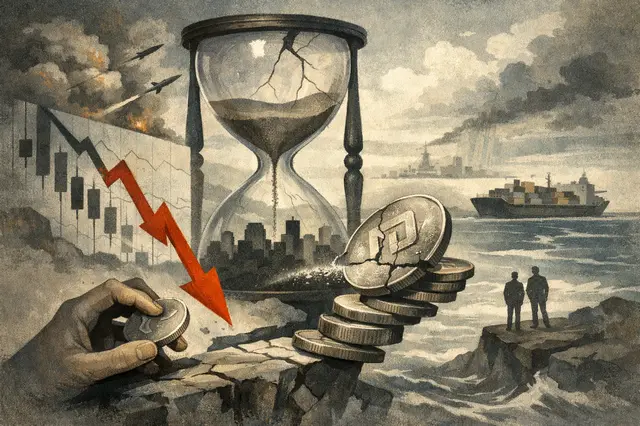
Israel’s renewed security escalation and fresh Iranian threats are hitting markets just after several euphoric trading days that lifted stocks late last week. Traders are also pricing in an imminent interest-rate cut in Israel, a possibility repeatedly hinted at by Bank of Israel Governor Amir Yaron. The concern now is that another round of fighting could reverse sentiment, widen Israel’s risk premium, and push the governor back toward a more cautious stance. Several analysts said that if the current flare-up remains short, the impact will likely be limited to the near term, similar to the intraday recovery seen in Tel Aviv trading last Monday.
Ronen Menachem, chief markets economist at Mizrahi Tefahot Bank, said this is “naturally, a negative development,” but added that investors have become used to recent “rounds” and the key question is whether it is seen as another isolated event. In his view, unless the escalation becomes ongoing and harms economic activity or employment, the effect on opening trade in stocks and foreign exchange should be limited. Rafi Gozlan, chief economist at IBI Investment House, said a looming US-Iran agreement could calm energy markets and ease inflation concerns, though some energy risk premium may remain because production has not yet fully returned and any full reopening of the Strait of Hormuz is uncertain.
On Israel’s side, Gozlan said the strategic implications could affect future defense budgets and raise the likelihood of more frequent rounds with Iran. He and other analysts said that if the fighting does not expand, local market damage should be modest, perhaps slightly negative. Yossi Barak, chairman of Barak Finance Group, said investors had recently priced in easing geopolitical risk, progress toward an Iran deal, a lower regional risk premium and possibly faster rate cuts later this year. He now expects a weaker Tel Aviv open, especially in risk-sensitive shares, though losses should stay limited unless energy infrastructure is hit or the conflict spreads.
Chen Herzog, chief economist at BDO, warned that another escalation could renew Israel’s risk premium, weaken the shekel, delay rate cuts and push oil back above $100 a barrel. Yossi Manasse, co-CEO of Financial Services, said that if Iran carries out its threats and fires missiles at Israel, the shekel is likely to open weaker than Friday’s close and the governor would probably want security calm before cutting rates again. Shmuel Ben Ari, chief investment officer at Pioneer Wealth Management, said prolonged disruption to critical shipping routes such as Hormuz could feed inflation expectations and lift US bond yields, while shares might correct lower in the short run. Still, he and Idan Azoulay of Sigma-Clarity said the most likely outcome is brief volatility, not a structural market shift.
The same event, reported separately by each outlet. Open a few to compare what different newsrooms emphasize — and what they leave out.




Not the same event — other stories that share this one’s people, places, or theme: background, reactions, and follow-ups.
